

Ph.D. Admissions Open 2026            |            Admissions Open 2026-27      
School of Arts & Science

Computer Science

Programme Overview

Department of Computer Applications

The Undergraduate and Postgraduate Programmes in Computer Science are designed to provide students with a strong foundation and advanced expertise in computer science, integrating theoretical knowledge, practical skills, research, innovation, and emerging technologies.

The programmes aim to develop competent, ethical, and socially responsible computing professionals capable of addressing academic, industrial, and societal challenges.

Undergraduate Programme

The Undergraduate Programme focuses on building fundamental and applied knowledge in programming, data structures, algorithms, database management, computer networks, operating systems, software engineering, web technologies, data analytics, artificial intelligence, and other emerging areas of computing .

Through laboratory exercises, projects, internships, and experiential learning, students develop programming proficiency, analytical thinking, problem-solving abilities, teamwork, communication skills, and professional competence.

Postgraduate Programme

The Postgraduate Programme provides advanced and specialized learning in areas such as advanced algorithms, artificial intelligence, machine learning, data science, cybersecurity, computational theory, software systems, networks, and emerging computing technologies .

The programme emphasizes research methodology, innovation, system design, data-driven problem solving, and independent project work, preparing graduates for higher education, research, industry, and entrepreneurial opportunities.

Innovation, Ethics & Lifelong Learning

Both programmes promote critical thinking, creativity, innovation, digital competence, ethical practices, leadership, entrepreneurship, and lifelong learning .

Students are encouraged to apply computing knowledge to real-world problems in areas such as industry, healthcare, education, community services, rural development, and sustainable development .

Industry Interaction & Experiential Learning

The programmes provide opportunities for industry interaction, internships, research activities, collaborative projects, community engagement, and technology-enabled learning , enabling students to bridge theoretical concepts with practical applications.

Special emphasis is placed on inclusive and accessible computing education, empowering students from diverse backgrounds to participate effectively in the digital era.

Career & Professional Opportunities

Graduates of the UG and PG programmes are equipped to pursue careers in software development, information technology, data analytics, artificial intelligence, cybersecurity, networking, research, academia, higher studies, and entrepreneurship .

The programmes foster adaptability and continuous learning, enabling graduates to keep pace with rapidly evolving technologies and contribute responsibly to digital innovation, technological advancement, and societal development .

Vision and Mission

UG Vision

Vision

To function as a dynamic foundation for computer science excellence, empowering enthusiastic young minds, proficient coders, and innovative problem-solvers who master core computing principles to enable technological progress, digital transformation, and societal benefit.
UG Mission

Mission

01

To offer inclusive, flexible, and interdisciplinary undergraduate programs in computer science that integrate programming fundamentals, algorithms, data structures, and modern technologies, developing graduates with strong technical, analytical, and logical skills for varied career opportunities and continuous learning.

02

To promote practical inquiry and foundational research in software development, networking, databases, and computational applications, addressing important challenges in industry, education, healthcare, and daily life.

03

To broaden access to quality computer science education for rural and underserved students by merging contemporary IT knowledge with local requirements, supporting digital preservation of cultural heritage, and building entrepreneurial competencies for self-reliant career growth.

04

To cultivate ethical standards, social responsibility, and global perspective through hands-on coding projects, industry linkages, community engagements, and experiential learning that effectively connects theoretical concepts with real-world computing solutions.

PG Vision

Vision

To excel as a vibrant hub of computational excellence, cultivating brilliant researchers, expert programmers, and forward-thinking computer scientists who develop intelligent systems, drive digital innovation, and contribute meaningfully to technological and societal advancement.

PG Mission

Mission

01

To offer inclusive, flexible, and interdisciplinary postgraduate programs in computer science that integrate advanced algorithms, software systems, data science, and emerging technologies, preparing graduates with superior analytical, programming, and problem-solving abilities for diverse career paths and lifelong learning.

02

To promote high-impact research and scholarly activities in artificial intelligence, machine learning, cybersecurity, networks, and computational theory, addressing critical challenges in industry, healthcare, education, and community services.

03

To expand access to advanced computer science education for rural and underprivileged students by blending modern computing expertise with local needs, preserving cultural heritage through digital means, and fostering entrepreneurial skills for sustainable career opportunities.

04

To nurture ethical values, social responsibility, and global awareness via rigorous projects, industry partnerships, community engagements, and experiential learning that bridge advanced theoretical knowledge with practical real-world computing applications.

PO, PSO, PEO

Programme Educational Objectives

PEOs

PEO1

Core Computer Science Foundation

To equip graduates with a robust foundation in core computer science subjects including programming, computer architecture, algorithms, and database systems, preparing them for entry-level roles in the IT industry, software development, and higher education.

PEO2

Logical Thinking & Programming Proficiency

To develop logical reasoning, analytical abilities, and programming proficiency so that graduates can design, implement, test, and maintain efficient software applications and systems for practical problems.

PEO3

Professional Ethics & Teamwork

To foster professional ethics, effective communication, teamwork, and collaborative skills that enable graduates to work responsibly in multidisciplinary teams and contribute positively to the computing domain.

PEO4

Lifelong Learning & Adaptability

To encourage lifelong learning and adaptability, empowering graduates to keep pace with evolving technologies and pursue advanced studies, certifications, or entrepreneurial initiatives in computer science.

Programme Specific Outcomes

PSOs

PSO1

Programming & Application Development

Graduates will be proficient in applying fundamental programming concepts, data structures, algorithms, and software development practices to create functional, reliable, and user-oriented applications.

PSO2

Database, Networks & Web Technologies

Graduates will demonstrate competence in database management, computer networks, web technologies, and basic system analysis, enabling them to contribute effectively to the IT industry, software projects, and technology-driven community initiatives.

Programme Outcomes

POs

PO1

Disciplinary Knowledge

Demonstrate comprehensive knowledge and understanding of the fundamental concepts, theories, principles, and applications in the chosen discipline and allied fields.

PO2

Critical Thinking and Problem Solving

Identify, analyze, and solve complex academic, professional, and societal problems using logical reasoning, analytical skills, and evidence-based approaches.

PO3

Research and Inquiry

Apply scientific methods, research techniques, and investigative skills to conduct studies, analyze data, interpret results, and draw meaningful conclusions.

PO4

Creativity and Innovation

Develop innovative ideas, creative solutions, and entrepreneurial approaches to address contemporary challenges in academic, professional, and social contexts.

PO5

Digital and Technological Competence

Utilize appropriate digital technologies, software tools, and information resources effectively and ethically for learning, research, communication, and problem-solving.

PO6

Environment and Sustainability

Understand environmental issues and sustainable development goals and apply this knowledge to promote ecological balance and responsible resource utilization.

PO7

Ethics and Social Responsibility

Demonstrate ethical values, integrity, inclusiveness, and social responsibility while contributing positively to society and professional environments.

PO8

Teamwork and Leadership

Work effectively as an individual and as a member or leader of diverse and multidisciplinary teams, demonstrating leadership, collaboration, and interpersonal skills.

PO9

Communication Skills

Communicate effectively through oral, written, visual, and digital means with diverse audiences in academic, professional, and societal settings.

PO10

Employability and Entrepreneurship

Develop professional competencies, managerial abilities, and entrepreneurial skills required for employment, higher education, and self-employment opportunities.

PO11

Lifelong Learning

Recognize the need for continuous learning, adaptability, and self-development to meet evolving personal, professional, and societal demands in a dynamic global environment.

Programme Educational Objectives

PEOs

PEO1

Advanced Computer Science Knowledge

To provide graduates with profound knowledge in core and advanced computer science areas including algorithms, data structures, software engineering, artificial intelligence, and systems design, enabling successful careers in academia, research, and the IT Industry.

PEO2

Advanced Analysis & Research

To develop strong analytical, critical thinking, and research skills so that graduates can independently design, implement, and evaluate innovative computing solutions for complex real-life problems.

PEO3

Professional Ethics & Leadership

To instill professional ethics, effective communication, teamwork, and leadership qualities that prepare graduates to collaborate in multidisciplinary teams and contribute responsibly to technological progress.

PEO4

Lifelong Learning & Adaptability

To encourage lifelong learning and adaptability, empowering graduates to keep pace with rapid advancements in computer science and pursue research, higher studies, or entrepreneurial ventures in the field.

Programme Specific Outcomes

PSOs

PSO1

Advanced Algorithms & Intelligent Systems

Graduates will be proficient in applying advanced algorithms, programming paradigms, data analytics, and artificial intelligence techniques to develop efficient, scalable, and intelligent software systems and applications.

PSO2

Computational Research & Emerging Technologies

Graduates will demonstrate expertise in computational research methodologies, cybersecurity practices, system optimization, and emerging tools, enabling them to contribute effectively to the IT industry, research organizations, and technology-driven community initiatives.

Programme Outcomes

POs

PO1

Disciplinary Knowledge

Demonstrate comprehensive knowledge and understanding of the fundamental concepts, theories, principles, and applications in the chosen discipline and allied fields.

PO2

Critical Thinking and Problem Solving

Identify, analyze, and solve complex academic, professional, and societal problems using logical reasoning, analytical skills, and evidence-based approaches.

PO3

Research and Inquiry

Apply scientific methods, research techniques, and investigative skills to conduct studies, analyze data, interpret results, and draw meaningful conclusions.

PO4

Creativity and Innovation

Develop innovative ideas, creative solutions, and entrepreneurial approaches to address contemporary challenges in academic, professional, and social contexts.

PO5

Digital and Technological Competence

Utilize appropriate digital technologies, software tools, and information resources effectively and ethically for learning, research, communication, and problem-solving.

PO6

Environment and Sustainability

Understand environmental issues and sustainable development goals and apply this knowledge to promote ecological balance and responsible resource utilization.

PO7

Ethics and Social Responsibility

Demonstrate ethical values, integrity, inclusiveness, and social responsibility while contributing positively to society and professional environments.

PO8

Teamwork and Leadership

Work effectively as an individual and as a member or leader of diverse and multidisciplinary teams, demonstrating leadership, collaboration, and interpersonal skills.

PO9

Communication Skills

Communicate effectively through oral, written, visual, and digital means with diverse audiences in academic, professional, and societal settings.

PO10

Employability and Entrepreneurship

Develop professional competencies, managerial abilities, and entrepreneurial skills required for employment, higher education, and self-employment opportunities.

PO11

Lifelong Learning

Recognize the need for continuous learning, adaptability, and self-development to meet evolving personal, professional, and societal demands in a dynamic global environment.

Board of Studies

01

Dr. K. Selvaraj

Principal i/c, Associate Prof. in CS
Department / Institution

Govt. Arts and Science College, Ulundhurpet.

Mobile Number

9442251204

E-mail ID

selvarjkumaravel@yahoo.com

02

Dr. T. K. Sivakumar

Asst. Prof.
Department / Institution

SRM Institute of Science and Technology, Kattankulathur (PO), Chengalpattu (DT) – 603 203.

Mobile Number

9444202864

E-mail ID

sivakumt21@srmist.edu.in

Curriculum and Syllabus

UG Curriculum & Syllabus

B.Sc. - Computer Science

Curriculum and syllabus document for the undergraduate programme in Computer Science.

View PDF
PG Curriculum & Syllabus

M.Sc. - Computer Science

Curriculum and syllabus document for the postgraduate programme in Computer Science.

View PDF

Laboratory and Learning Resources

Department Laboratory

Department of Computer Science

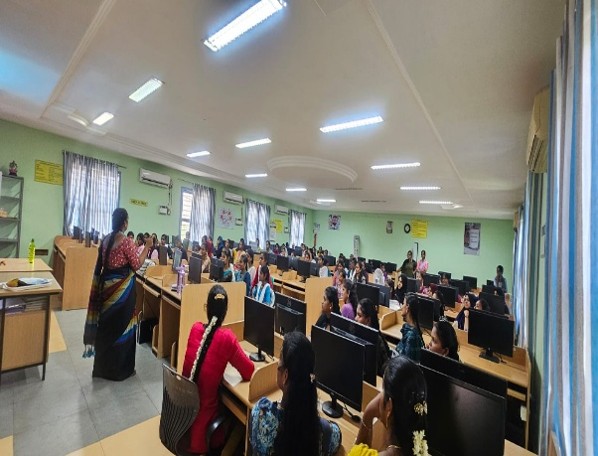
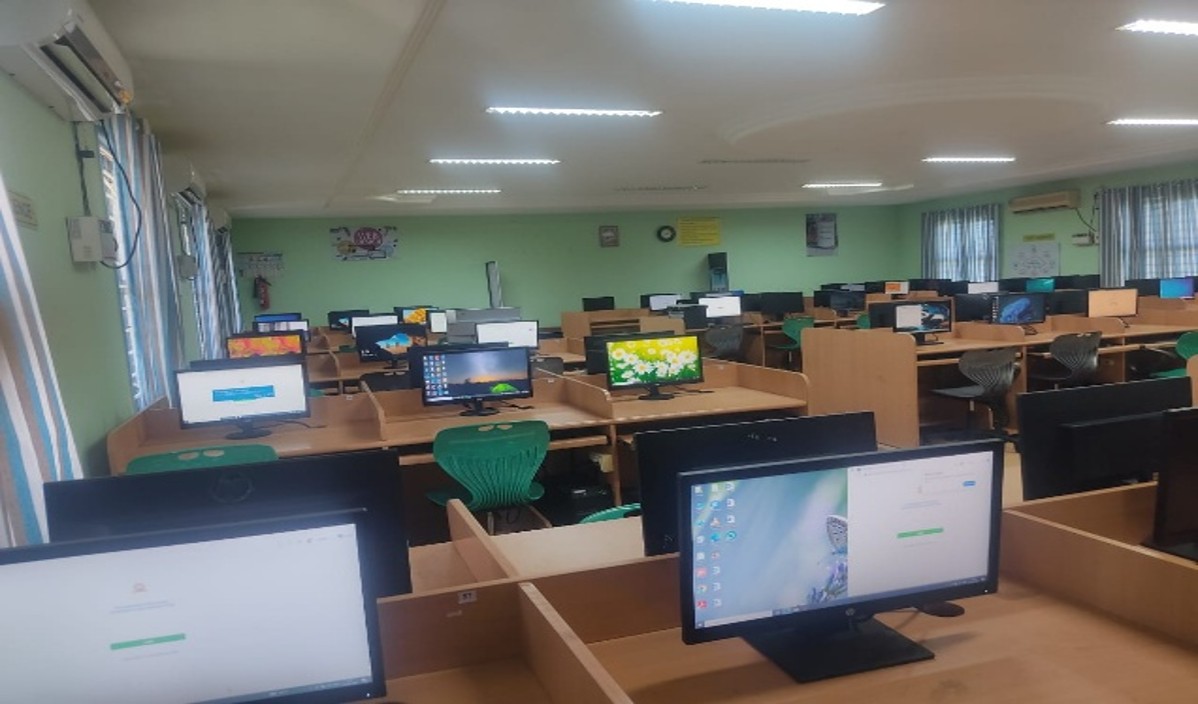
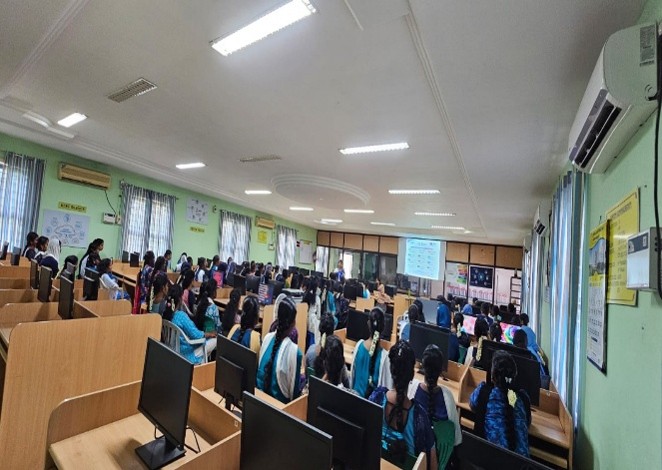
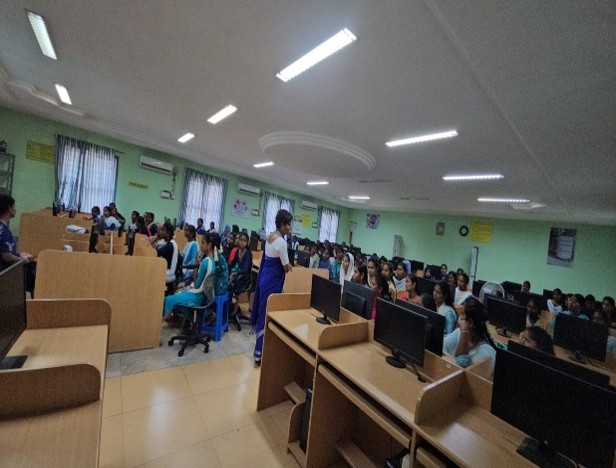
The department provides well-equipped computer laboratory facilities with modern computing systems, programming environments, database tools, web technologies, data science platforms, and software resources to support practical learning, project development, research, and technology-oriented academic activities.

84 Total Computers
70 Internet Connected Systems
90 Mb/s Internet Speed
System Configuration

Computer Systems

System 01

Dell

RAM 16 GB
Processor Intel(R) Core(TM) i5-8500 CPU @ 3.00GHz (3.00 GHz)
Operating System 64-bit
System 02

HP

RAM 16 GB
Processor Intel(R) Core(TM) i5-8500T CPU @ 2.10GHz (2.11 GHz)
Operating System 64-bit
System 03

HP

RAM 8 GB
Processor Intel(R) Core(TM) i5-6400T CPU @ 2.70GHz (2.71 GHz)
Operating System 64-bit
System 04

Lenovo

RAM 4 GB
Processor Intel(R) Core(TM) i3-4330TE CPU @ 2.40GHz (2.40 GHz)
Operating System 64-bit
Software Facilities

Software and Programming Resources

Programming

C, C++ & Java

Programming environments for C, C++ and Java development and practical programming exercises.

Programming

Python Programming

Python programming environment for application development, data analysis, and computational learning.

Development Tool

Visual Studio Code

Modern source code editor supporting programming, web development, and software projects.

Data Science

Jupyter Notebook

Interactive computing environment for programming, data analysis, experimentation, and research.

Computing

MATLAB

Computational software supporting numerical analysis, modelling, simulation, and technical applications.

Database

MySQL & Oracle SQL Developer

Database management and SQL development tools for database programming and practical learning.

Web Development

XAMPP

Local development environment for PHP, MySQL, Apache-based web application development and testing.

Web Technologies

HTML, CSS & JavaScript

Front-end development technologies for creating responsive and interactive web applications.

Web Programming

PHP

Server-side programming environment for developing dynamic and database-driven web applications.

Data Science

Anaconda

Python-based distribution supporting data science, scientific computing, and machine learning workflows.

Data Analysis

NumPy, Pandas & Matplotlib

Libraries for numerical computing, data manipulation, analysis, visualization, and practical data science.

Programming

Turbo C

Programming environment supporting foundational C programming and laboratory exercises.

Python Development

IDLE

Integrated development environment for Python programming, testing, and practical coding exercises.

Faculty Corner

Academic Contributions

Books Authored / Edited Books

01

Dr. V. Vaneeswari has published the academic book “Internet of Things” , published by Inkscribe Publishing Private Limited in 2025, with ISBN 978-1-966421-17-7.

02

Mrs. V. Vaneeswari, Mrs. S. Ranichandra, Dr. A. Suriya, Dr. Silambarasan and Ms. S. Karthika authored the book “SYNTAX AND STYLE: THE EVOLUTION OF COMPUTER SCIENCE” , published by AIP (Alpha International Publication) in 2025, ISBN 978-93-5762-439-8.

03

Mrs. V. Vaneeswari, along with S. Selvakumari, S. Ranichandra, Dr. Banumathi, Dr. P. Manikandan and Dr. Navin Prasad, co-authored “COMPUTER SYSTEM: A PROGRAMMER’S PERSPECTIVE – Vol. 1” , published by Prime International Publication, ISBN 978-93-6010-727-7.

04

Mrs. S. Ranichandra authored the book “Learning Web Technologies Through PHP: A Practical Laboratory Manual” , published by RG International Publications in 2026, with ISBN 978-93-47331-63-3.

05

Mrs. S. Ranichandra authored the book “Artificial Intelligence Lab Manual: A Practical Approach” , published by RG International Publications in 2025, with ISBN 978-93-47331-53-4.

06

Mrs. S. Ranichandra served as the Chief Editor for the edited book “Futuristic Trends in Image & Video Processing – Volume 6” , published in 2026 by Iterative International Publishers (IIP), India.

Academic Contributions

Book Chapters Publications

01

Dr. V. Vaneeswari published the book chapter titled “Intelligent Compression and Transmission for Ultra-High-Definition (UHD) Video Streams” in Futuristic Trends in Image & Video Processing – Volume 6S1, Book 2 , published in June 2026.

02

Dr. V. Vaneeswari published the book chapter titled “Regression and Predictive Models for Health Systems Management” in the edited book AI-Powered Digital Transformation: Bridging Computer Science and Life Sciences , published on 06 April 2026.

03

Mrs. S. Ranichandra published the following book chapters in 2026: “Immersive Media Design and Visualization in AR/VR Systems” , “Optimized Video Encoding, Compression, and Streaming Delivery” , “Image-Based Sample Segmentation, Visual Pattern Tracking, and Toxic Effect Detection” , and “Intelligent Video Analytics for Cyber Security and Digital Forensics” .

04

Mrs. V. Lakshmi published the book chapter titled “Intelligent Compression and Transmission for Ultra-High-Definition (UHD) Video Streams” in Futuristic Trends in Image & Video Processing – Volume 6S1, Book 2 , published in June 2026.

05

Dr. P. Kavitha published multiple book chapters in Futuristic Trends in Image & Video Processing – Volume 6S1, Book 2 , including “Intelligent Compression and Transmission for Ultra-High-Definition (UHD) Video Streams” , “Image-Based Sample Segmentation, Visual Pattern Tracking, and Toxic Effect Detection” , “Machines That See: Breakthroughs in Visual Processing” , “Transformer-Driven and Attention-Based Perception Models” , and “Visual Scene Analysis and Temporal Activity Recognition in Modern Image Processing” . These chapters were published in June 2026.

06

Ms. C. Revathi published the book chapter titled “Cyber Security and Privacy in Digital Health Systems” in the edited book AI-Powered Digital Transformation: Bridging Computer Science and Life Sciences , published by Iterative International Publishers (IIP Series) on 06 April 2026.

07

Ms. C. Revathi published the book chapter titled “Data Security and Privacy in AI-Driven Life Sciences” in the edited book AI-Powered Digital Transformation: Bridging Computer Science and Life Sciences , published by Iterative International Publishers (IIP Series) on 06 April 2026.

08

Ms. C. Revathi published the book chapter titled “Regression and Predictive Models for Health Systems Management” in the edited book AI-Powered Digital Transformation: Bridging Computer Science and Life Sciences , published by Iterative International Publishers (IIP Series) on 06 April 2026.

09

Ms. R. Thulasi published the book chapter titled “Regression and Predictive Models for Health Systems Management” in the edited book AI-Powered Digital Transformation: Bridging Computer Science and Life Sciences , published on 06 April 2026.

10

Ms. S. Kiruthika published the book chapter titled “Intelligent Compression and Transmission for Ultra-High-Definition (UHD) Video Streams” in Futuristic Trends in Image & Video Processing – Volume 6S1, Book 2 , published in June 2026.

Innovation & Intellectual Property

Patents

01

Mrs. S. Ranichandra filed a Design Patent Application titled “Portable DNA Analyzer for Forensic Genetics” with Patent Application No. 494068-001 on 15 December 2025.

02

Mrs. S. Ranichandra contributed to the patent titled “AI-Based Language Learning Device” , related to the field of Artificial Intelligence, with Patent Application No. 483877-001, published in 2025.

Research

Articles / Journal Publications

01

Mrs. S. Ranichandra and V. Vaneeswari published the research article titled “Iterative Closest Points Algorithm Based on Climate Change Rainfall Forecasting” in Enigma: The Multidisciplinary International Journal , Volume 26, Issue 26. The article was published on 17 February 2026.

Faculty Development

FDP / Training Programmes

01

Dr. V. Vaneeswari successfully completed the Innovation Ambassador (IA) Training – “Reskilling” , comprising 21 sessions and 21 contact hours, conducted by the Ministry of Education’s Innovation Cell and AICTE under the IIC Calendar Year 2025–26.

02

Dr. V. Vaneeswari successfully completed the Innovation Ambassador (IA) Training – Advanced Level , comprising 16 sessions and 30 contact hours, conducted by the Ministry of Education’s Innovation Cell and AICTE under the IIC Calendar Year 2025–26.

03

Mrs. S. Ranichandra participated in the Five-Day Faculty Development Programme on “Dimensions of Academic Excellence for Developing Next-Generation Teachers in Higher Education” , organized by IQAC and the Centre for Faculty Well-Being and Development (CFWD), Dhanalakshmi Srinivasan College of Arts and Science for Women (Autonomous), Perambalur, held from 24 to 28 November 2025.

04

Ms. C. Revathi participated in a One-Week Faculty Development Programme on Microsoft Power BI Data Analyst Associate , conducted by ICT Academy, held from 04 May 2026 to 08 May 2026 at SRM Institute of Science and Technology, Tiruchirappalli .

Academic Development

Seminars / Academic Events

01

Dr. V. Vaneeswari participated online in the International Seminar titled “Research Driven Generative AI, Computer Vision, and Interactive Machine Learning Revolution” , organized by the PG & Research Department of Computer Science, Cauvery College for Women (Autonomous), held on 20 February 2026.

Academic Achievement

Academic Qualification

01

A. Mageswari successfully qualified UGC-NET June 2026 in Computer Science and Applications (Subject Code: 087), qualifying for Assistant Professor eligibility and admission to Ph.D. in the field of Computer Science and Applications.

Student's Corner

Student Achievement

SWAYAM Online Course Certifications

Student

Muthulakshmi

Achievement

Successfully completed the SWAYAM Online Course Certification – June 2026 in Information Security and Cyber Forensics.

Course

Information Security and Cyber Forensics

Certification

SWAYAM Online Course Certification – June 2026

Student

Muthulakshmi

Achievement

Successfully completed the SWAYAM Online Course Certification – June 2026 in Database Management System.

Course

Database Management System

Certification

SWAYAM Online Course Certification – June 2026

Student Achievement

Internship Achievements

Student

Kasantha S

Internship

Python Development Internship

Duration

05 May 2026 to 21 May 2026

Achievement

Successfully completed the internship, gaining practical exposure and hands-on experience in Python development.

Student

Dharshini S

Internship

Python Development Internship

Duration

06 May 2026 to 20 May 2026

Achievement

Successfully completed the internship, gaining practical knowledge and industry-oriented experience in Python development.

Student

K. Jayasri

Internship

Digital Marketing

Organization

R Tech Solution, Perambalur

Duration

05 May 2026 to 21 May 2026

Achievement

Successfully completed an internship in Digital Marketing, demonstrating proficiency in both practical and theoretical concepts.

Student

D. Giviyadharhini T

Internship

Digital Marketing

Organization

R Tech Solution, Perambalur

Duration

05 May 2026 to 21 May 2026

Achievement

Successfully completed an internship in Digital Marketing, gaining practical exposure and demonstrating proficiency in digital marketing.

Student Achievement

Webinar / Participation Achievements

Student

Maheshwari K

Webinar

Video Editing Webinar

Date

11 August 2026

Achievement

Participated in the Video Editing Webinar and received a Certificate of Participation.

Student

Maheshwari K

Webinar

Video Editing Webinar

Date

10 August 2026

Achievement

Participated in the Video Editing Webinar and received a Certificate of Participation.

Student Achievement

Sports Achievements

Student

Uma B

Achievement

Participated in Carrom Doubles at the State-Level Competitions for the Chief Minister’s Trophy – 2024.

Student

Uma B

Achievement

Secured a Gold Medal in Carrom Singles at the District-Level Competitions for the Chief Minister’s Trophy – 2025.

Student

Uma B

Achievement

Secured a Gold Medal in Carrom Doubles at the Merit-Level Competitions for the Chief Minister’s Trophy – 2025.

Student

Uma B

Achievement

Participated in Carrom at the DSU Olympia Sports Meet – 2025.

Student

Uma B

Achievement

Participated in Kho-Kho at the DSU Olympia Sports Meet – 2025.

Event Corner

21 AUG 2026
Event 03

Get Hired Before You Graduate: Your Roadmap to an IT Career

Department of Computer Science

IT Career Seminar

The seminar “Get Hired Before You Graduate: Your Roadmap to an IT Career” was organized by the Department of Computer Science, School of Arts and Science, through the Techno Vision Association, on 21 August 2026 at the Pixel Park Lab, Department of Computer Science, DSIRT, Perambalur.

The programme was organized with the objective of providing students with industry-oriented guidance and practical insights into building a successful career in the Information Technology sector.

Resource Person Mr. Antony Raj S, CEO & CTO, Elshadai Global Solutions Pvt. Ltd., Trichy
Date 21.08.2026
07 AUG 2026
Event 02

TechZilla – Code Club – Interdepartmental Technical Competition

TechZilla Code Club, Department of Computer Science

Interdepartmental Technical Competitions

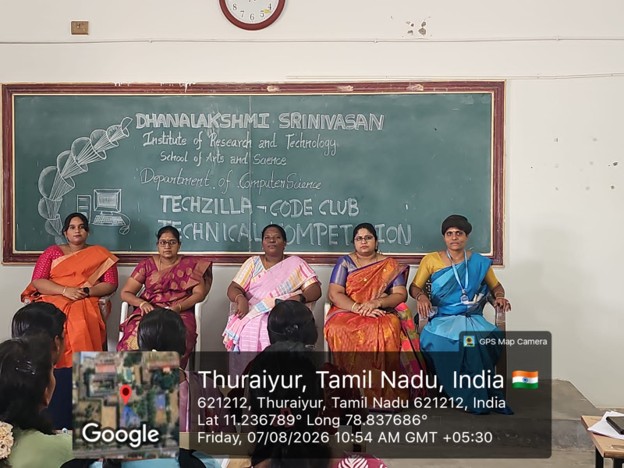
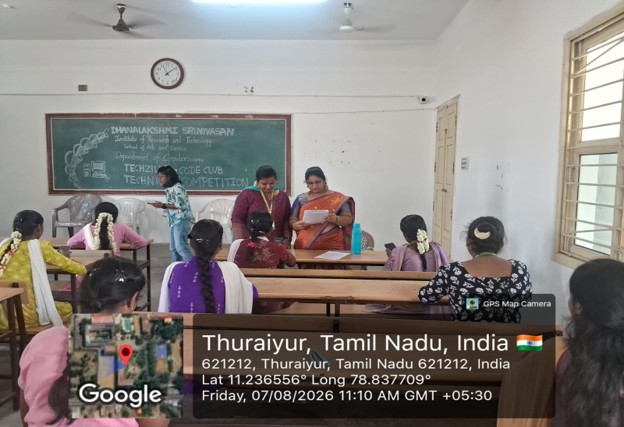
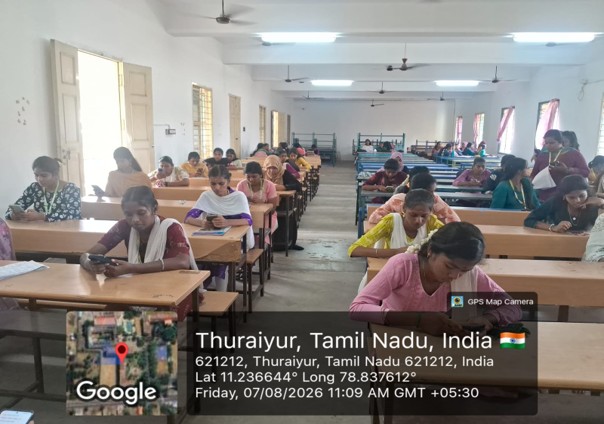
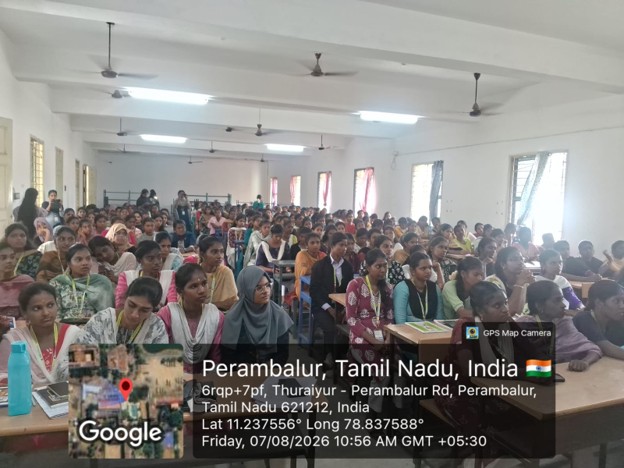
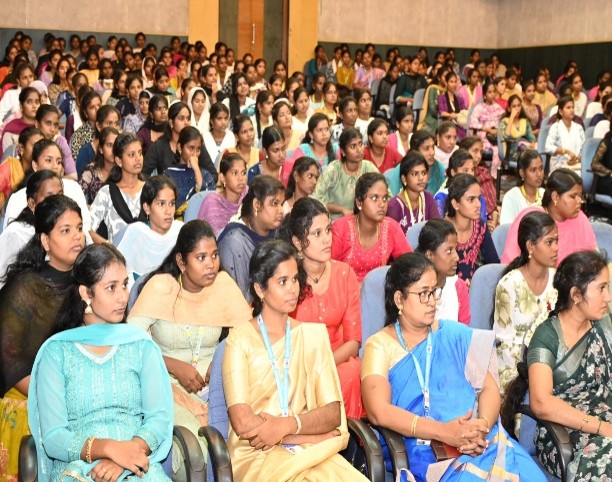
The TechZilla Code Club, Department of Computer Science, School of Arts and Science, Dhanalakshmi Srinivasan Institute of Research and Technology (DSIRT), Perambalur, successfully organized the Interdepartmental Technical Competitions 2026 on 07 August 2026 at the B-Block Auditorium.

The event featured four individual competitions designed to enhance students' technical and creative competencies.

1. Coding & Programming Competition
Focused on basic problem solving, C programming, Python programming, and Data Structures. Encouraged logical thinking and programming skills.

2. Emerging Technologies Quiz
Tested students' knowledge in Web Development, Artificial Intelligence, Machine Learning, and Data Analytics. Included questions on current trends and emerging technologies.

3. Poster Making Competition
Students designed technical awareness posters based on the announced theme. Promoted creativity and technical communication.

4. Video Making Competition
Participants created short videos on the given technical theme. Encouraged innovation, presentation skills, and digital content creation.

Organized By TechZilla Code Club, Department of Computer Science
Date 07.08.2026
27 JUL 2026
Event 01

TechZilla – Code Club Inauguration

Department of Computer Science

TechZilla – Code Club

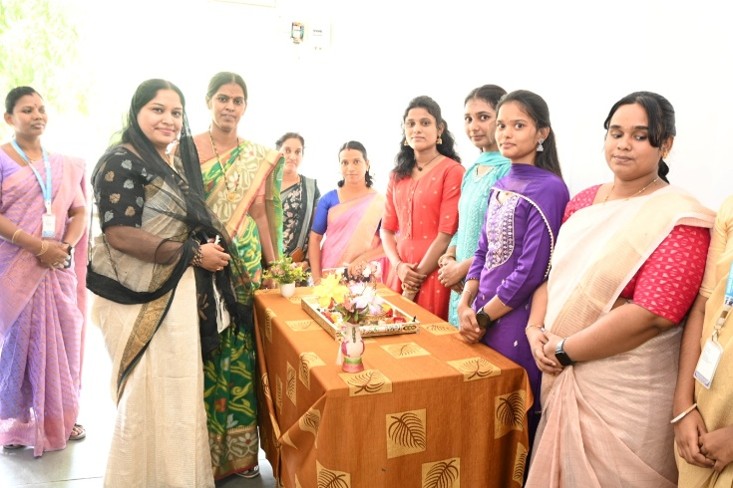
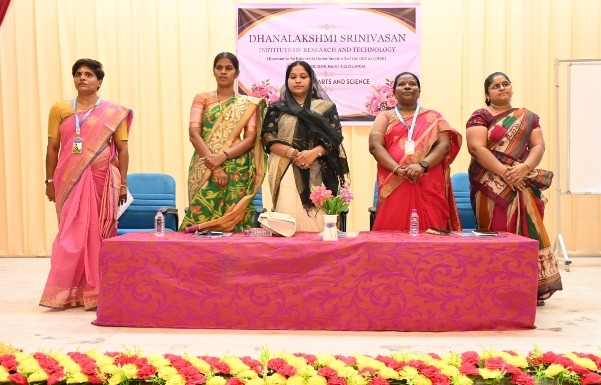
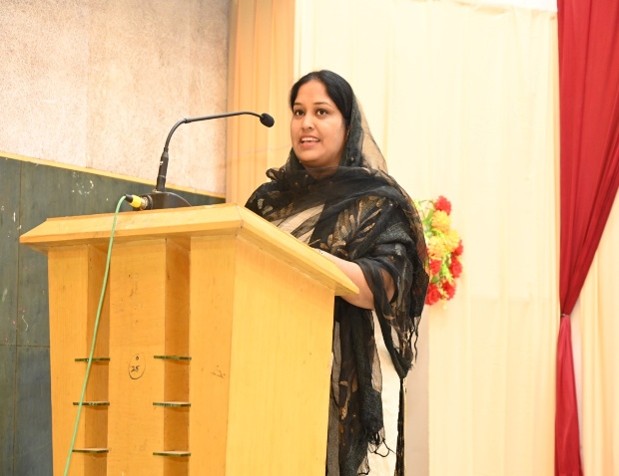
The inauguration ceremony of TECHZILLA – Code Club was organized by the Department of Computer Science, School of Arts and Science, Dhanalakshmi Srinivasan Institute of Research and Technology (Deemed to be University) on 27 July 2026 at 1:00 PM in the college auditorium.

The Chief Guest, Dr. Sharmila Banu Shaik Imam, Assistant Professor, Center for Scientific and Technological Research (CSTR), King Faisal University, Al Ahsa, Saudi Arabia, inaugurated TECHZILLA – Code Club and delivered a motivating keynote address.

Chief Guest Dr. Sharmila Banu Shaik Imam
Institution Center for Scientific and Technological Research (CSTR), King Faisal University, Al Ahsa, Saudi Arabia
Date & Time 27.07.2026 — 1:00 PM

Alumni Testimonial

Senbagam S
Department of Computer Science

SENBAGAM S

COMPLEX ENGINEER – NETWORK DEPARTMENT

Batch 2022-2023
Company TECH MAHINDRA
Feedback

Arthi B
Department of Computer Science

ARTHI B

INFORMATION TECHNOLOGY (IT)

Batch 2017-2020
Company FRESHA TECHNOLOGIES PVT LTD
Feedback

Vishnupriya J
Department of Computer Science

VISHNUPRIYA J

ASSISTANT PROFESSOR

Batch 2015-2017
Institution THEIVANAI AMMAL COLLEGE FOR WOMEN
Feedback

K. Saraswathi
Department of Computer Science

K. SARASWATHI

TEACHER

Batch 2015-2017
Institution GOVERNMENT MODEL HR. SEC. SCHOOL
Feedback

M. Swetha
Department of Computer Science

M. SWETHA

ASSISTANT PROFESSOR

Batch 2019-2021
Institution SRI SARATHA COLLEGE FOR WOMEN
Feedback

Uma S
Department of Computer Science

UMA S

ASSISTANT PROFESSOR

Batch 2022-2023
Institution DHANALAKSHMI SRINIVASAN INSTITUTE OF RESEARCH AND TECHNOLOGY
Feedback

Ishwarya T
Department of Computer Science

ISHWARYA T

PHYSICAL DIRECTOR

Batch 2022-2023
Institution DHANALAKSHMI SRINIVASAN INSTITUTE OF RESEARCH AND TECHNOLOGY
Feedback

Pavithra
Department of Computer Science

PAVITHRA

TECHNICAL STAFF

Batch 2022-2023
Institution DHANALAKSHMI SRINIVASAN INSTITUTE OF RESEARCH AND TECHNOLOGY
Feedback