Ph.D. Admissions Open 2026            |            Admissions Open 2026-27      
School of Arts & Science

Biochemistry

Programme Overview

The Biochemistry programmes provide foundational to advanced knowledge in biochemical sciences, developing scientific aptitude, practical skills, analytical thinking, research competence, innovation, and problem-solving abilities. The programmes prepare students for higher education, research, healthcare, biotechnology, industry, environmental sciences, and entrepreneurship, while fostering ethical professionalism, sustainability, teamwork, and lifelong learning.

Vision and Mission

UG Vision

Vision

To emerge as a leading center of excellence in biochemical sciences, cultivating pioneering researchers, proficient innovators, and conscientious professionals who advance human health, environmental harmony, and societal progress through scientific discovery and application.

UG Mission

Mission

01

To deliver comprehensive, adaptable, and multidisciplinary postgraduate education in biochemistry that blends core scientific principles with emerging technologies, equipping graduates with strong analytical, problem-solving, and technical competencies for dynamic career opportunities and continuous professional growth.

02

To promote advanced research and innovation focused on key challenges in healthcare, biotechnology, nutrition, and environmental protection, emphasizing practical solutions that benefit public health and ecological balance.

03

To enhance access to quality higher education for students from rural and underprivileged backgrounds, integrating traditional knowledge with modern biochemical practices to develop relevant skills and promote self-reliant career pathways.

04

To instill moral values, professional ethics, and societal awareness via hands-on learning, industry collaborations, and community-oriented projects that bridge theoretical knowledge with real-life applications.

PG Vision

Vision

To emerge as a leading center of excellence in biochemical sciences, cultivating pioneering researchers, proficient innovators, and conscientious professionals who advance human health, environmental harmony, and societal progress through scientific discovery and application.

PG Mission

Mission

01

To deliver comprehensive, adaptable, and multidisciplinary postgraduate education in biochemistry that blends core scientific principles with emerging technologies, equipping graduates with strong analytical, problem-solving, and technical competencies for dynamic career opportunities and continuous professional growth.

02

To promote advanced research and innovation focused on key challenges in healthcare, biotechnology, nutrition, and environmental protection, emphasizing practical solutions that benefit public health and ecological balance.

03

To enhance access to quality higher education for students from rural and underprivileged backgrounds, integrating traditional knowledge with modern biochemical practices to develop relevant skills and promote self-reliant career pathways.

04

To instill moral values, professional ethics, and societal awareness via hands-on learning, industry collaborations, and community-oriented projects that bridge theoretical knowledge with real-life applications.

PO, PSO & PEO

PEO

Program Educational Objectives

PEO1

To provide graduates with a strong foundation in core and advanced biochemical concepts, laboratory techniques, and research methodologies, enabling them to pursue successful careers in academia, industry, healthcare, and research institutions.

PEO2

To develop critical thinking, analytical skills, and scientific temperament so that graduates can independently design, execute, and evaluate experiments addressing biochemical problems in health, agriculture, and environmental sectors.

PEO3

To foster ethical responsibility, effective communication, and teamwork abilities that prepare graduates to collaborate across disciplines and contribute responsibly to scientific and societal advancements.

PEO4

To encourage lifelong learning and adaptability, empowering graduates to stay updated with evolving biotechnological developments and take up entrepreneurial or higher academic pursuits in biochemistry and allied fields.

PSO

Program Specific Outcomes

PSO1

Graduates will be able to apply biochemical principles and advanced analytical tools to investigate molecular mechanisms of diseases, develop diagnostic methods, and propose biotechnological interventions.

PSO2

Graduates will demonstrate competence in biochemical research practices, data interpretation, and sustainable laboratory protocols, enabling them to contribute effectively to industry, environmental monitoring, and public health initiatives.

PO

Program Outcomes

PO1

Apply fundamental and advanced knowledge of Biochemistry and allied sciences.

PO2

Analyze and solve scientific problems using critical and logical thinking.

PO3

Perform experiments and interpret data using modern laboratory and computational tools.

PO4

Demonstrate research aptitude, innovation, and scientific inquiry.

PO5

Communicate effectively and function collaboratively in multidisciplinary teams.

PO6

Uphold ethical values, professionalism, and social responsibility.

PO7

Promote environmental sustainability and community well-being.

PO8

Exhibit leadership, entrepreneurship, and managerial capabilities.

PO9

Adapt to global scientific advancements and diverse professional environments.

PO10

Engage in lifelong learning and continuous skill enhancement.

PO11

Apply digital literacy, bioinformatics, and emerging technologies to address contemporary challenges in life sciences and healthcare.

PEO

Program Educational Objectives

PEO1

To provide graduates with a strong foundation in core and advanced biochemical concepts, laboratory techniques, and research methodologies, enabling them to pursue successful careers in academia, industry, healthcare, and research institutions.

PEO2

To develop critical thinking, analytical skills, and scientific temperament so that graduates can independently design, execute, and evaluate experiments addressing biochemical problems in health, agriculture, and environmental sectors.

PEO3

To foster ethical responsibility, effective communication, and teamwork abilities that prepare graduates to collaborate across disciplines and contribute responsibly to scientific and societal advancements.

PEO4

To encourage lifelong learning and adaptability, empowering graduates to stay updated with evolving biotechnological developments and take up entrepreneurial or higher academic pursuits in biochemistry and allied fields.

PSO

Program Specific Outcomes

PSO1

Apply advanced concepts of Biochemistry, Molecular Biology, Cell Biology, Genetics, Immunology, Clinical Biochemistry, and Bioinformatics to solve scientific and societal problems.

PSO2

Demonstrate professional competence, communication skills, leadership abilities, and lifelong learning for successful careers in academia, research, industry, and entrepreneurship.

PO

Program Outcomes

PO1

Apply advanced concepts and principles of Biochemistry and allied life sciences to understand and solve complex biological problems.

PO2

Analyze, evaluate, and solve scientific problems using logical reasoning and evidence-based approaches.

PO3

Demonstrate proficiency in advanced laboratory techniques, instrumentation, and analytical methodologies relevant to Biochemistry.

PO4

Design and conduct independent research, analyse scientific data, and contribute to innovation and knowledge generation.

PO5

Utilize computational tools, bioinformatics resources, statistical methods, and emerging technologies for scientific investigations.

PO6

Interpret experimental results using appropriate statistical and computational approaches to derive meaningful conclusions.

PO7

Communicate scientific information effectively and collaborate efficiently in multidisciplinary and multicultural environments.

PO8

Practice ethical principles, biosafety, biosecurity, and professional responsibility in research and societal applications.

PO9

Apply biochemical knowledge to address issues related to health, environment, and sustainable development.

PO10

Demonstrate leadership, innovation, and entrepreneurial skills for professional growth and societal advancement.

PO11

Engage in continuous learning, adapt to emerging scientific advancements, and contribute effectively to national and global scientific communities.

Board of Studies

Curriculum and Syllabus

UG Curriculum & Syllabus

B.Sc. Biochemistry

Curriculum and syllabus document for the undergraduate programme in Biochemistry.

View PDF
PG Curriculum & Syllabus

M.Sc. Biochemistry

Curriculum and syllabus document for the postgraduate programme in Biochemistry.

View PDF

Laboratory and Learning Resources

Department Laboratory

Department of Biochemistry

The department provides well-equipped laboratory facilities to support practical learning, biochemical analysis, research, experimentation, clinical studies, and technology-oriented academic activities.

Laboratory Equipment

Laboratory and Learning Resources

Hot Air Oven
01

Hot Air Oven

Used for sterilizing glassware, metal tools and heat-resistant plastics.

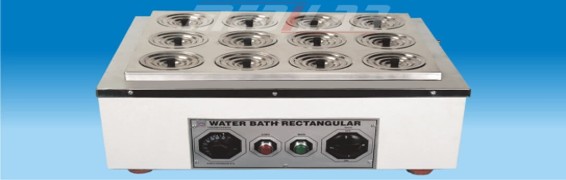
Water Bath Rectangular
02

Water Bath Rectangular

Used for heating flammable chemicals, warming reagents, melting substrates and incubating cell cultures.

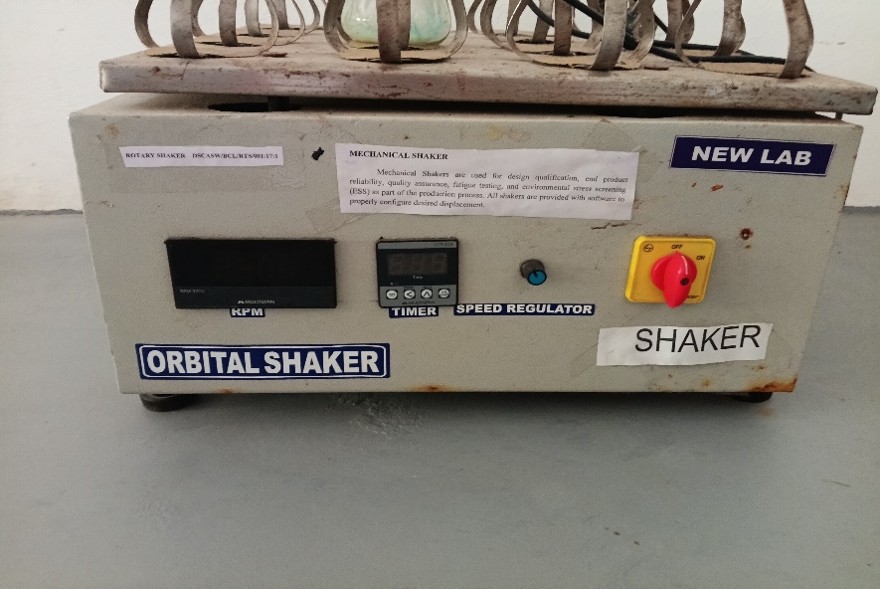
Orbital Shaker
03

Orbital Shaker

Used for mixing and agitating samples in circular orbital motion.

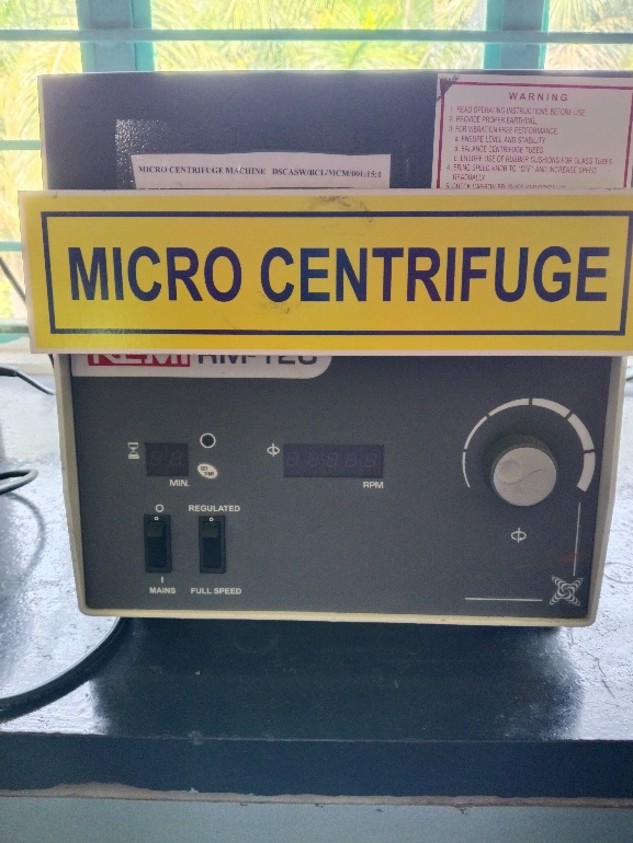
Microcentrifuge
04

Microcentrifuge

Used for separating nucleic acids (DNA/RNA), proteins, cell pellets, and performing microfiltration.

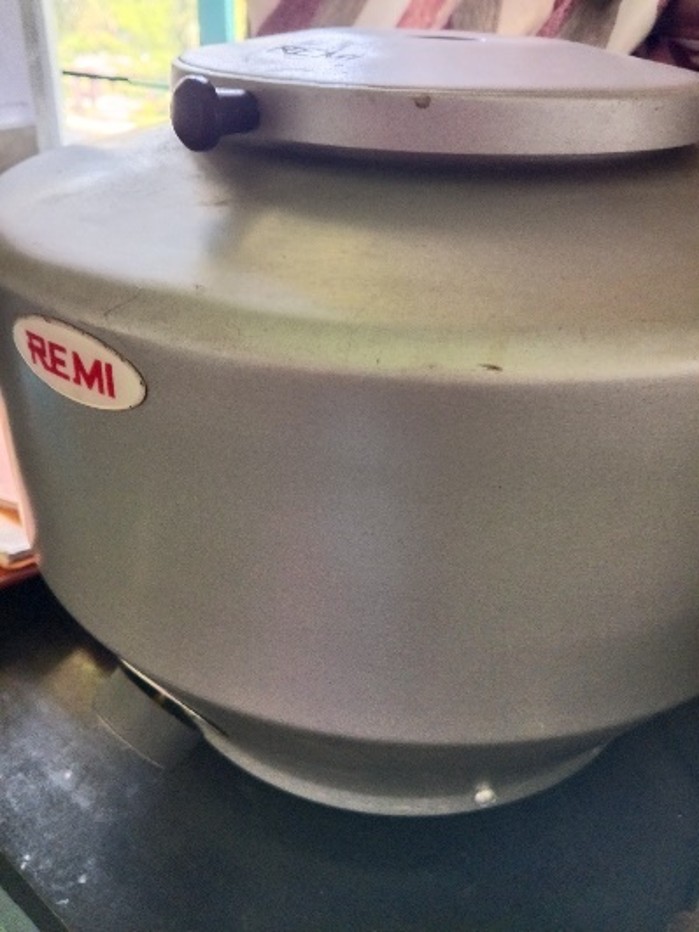
Microhematocrit Rotor
05

Microhematocrit Rotor

Microhematocrit centrifuges are used for the determination of volume fractions of erythrocytes (red blood cells) in blood and for the separation of micro volumes of blood and solutions.

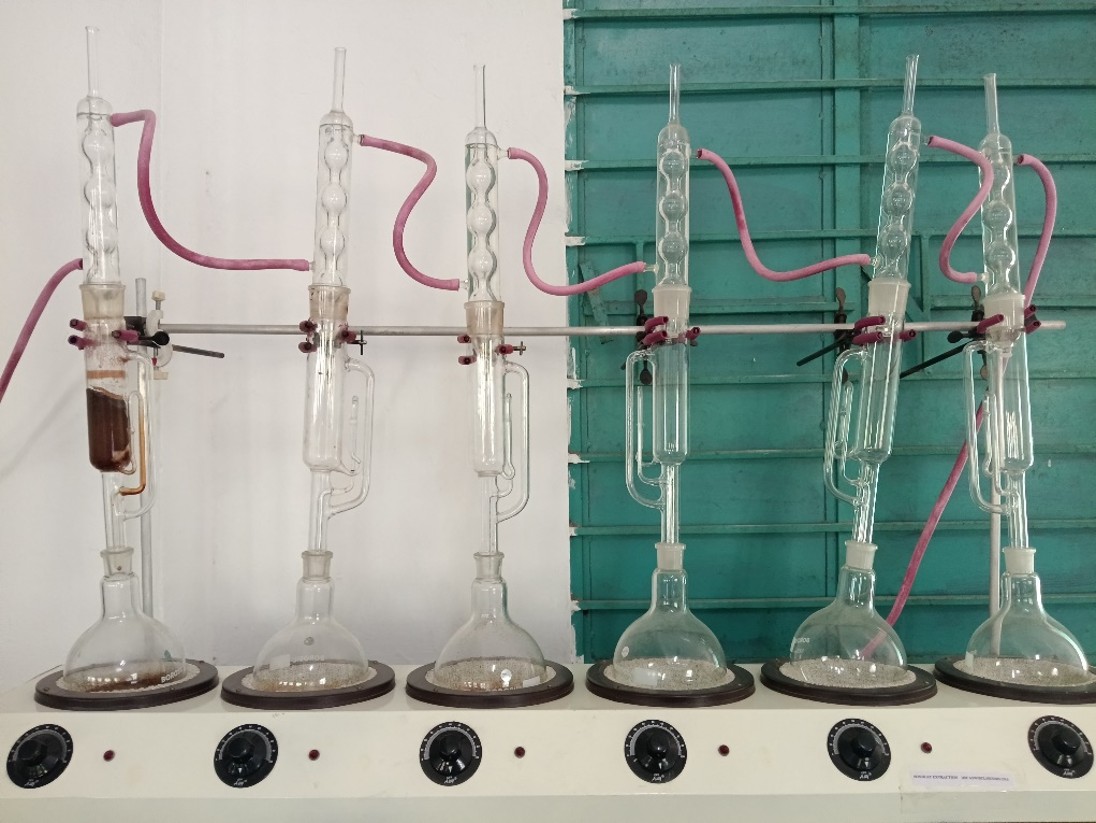
Soxhlet Extraction Apparatus
06

Soxhlet Extraction Apparatus

The Soxhlet extraction apparatus is used to extract a compound from a solid material using a solvent.

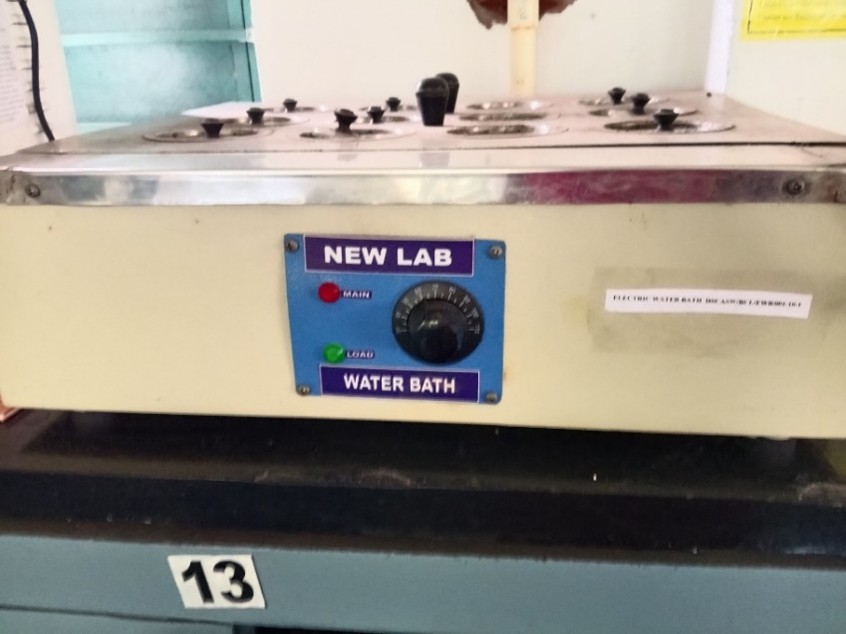
Water Bath
07

Water Bath

Sample incubation, melting or thawing, and enabling certain chemical reactions.

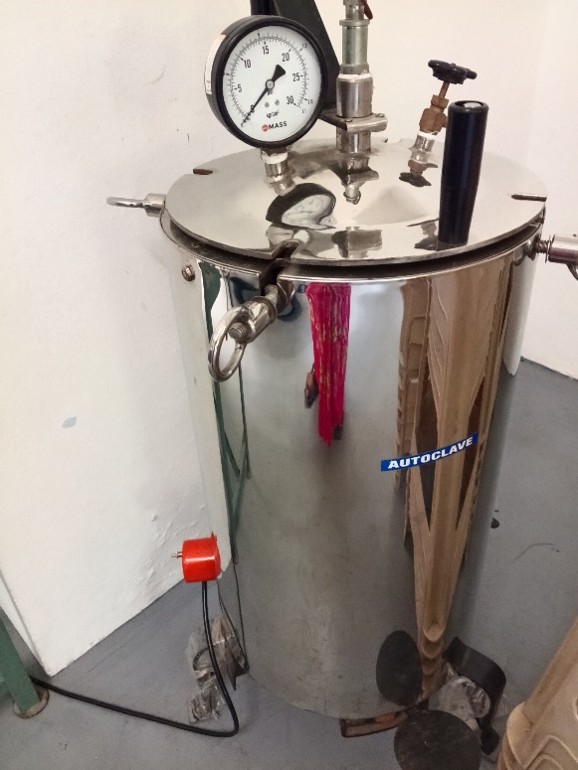
Autoclave
08

Autoclave

Autoclaves ensure safety by eliminating potential contaminants from medical equipment, research materials, and other items that require sterilization.

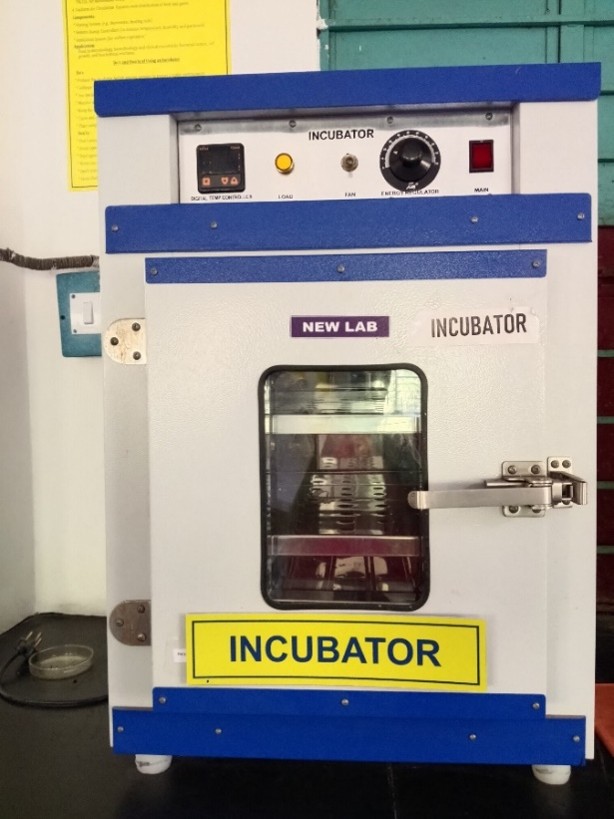
Bacteriological Incubator
09

Bacteriological Incubator

Bacteriological incubator is a crucial piece of laboratory equipment used to cultivate and maintain microbiological cultures by providing a controlled environment with optimal temperature, humidity, and other conditions.

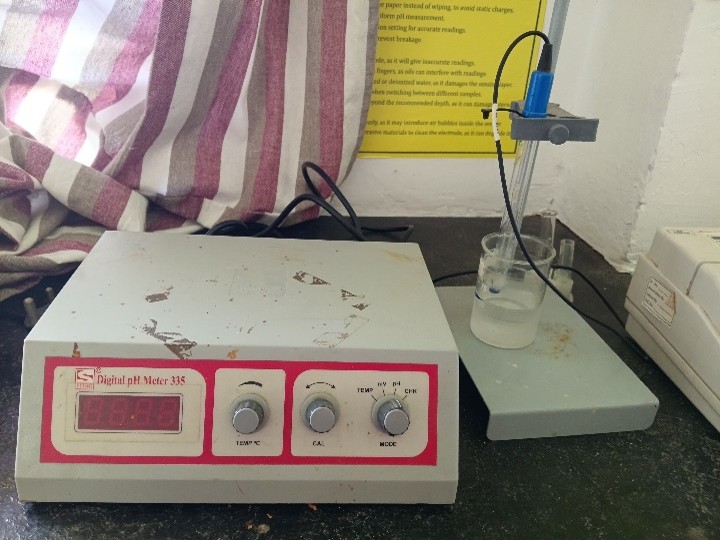
Digital pH Meter with Electrode
10

Digital pH Meter with Electrode

pH meter electrodes are used to measure the acidity or alkalinity of a solution by detecting the electrical potential difference between the glass electrode and a reference electrode.

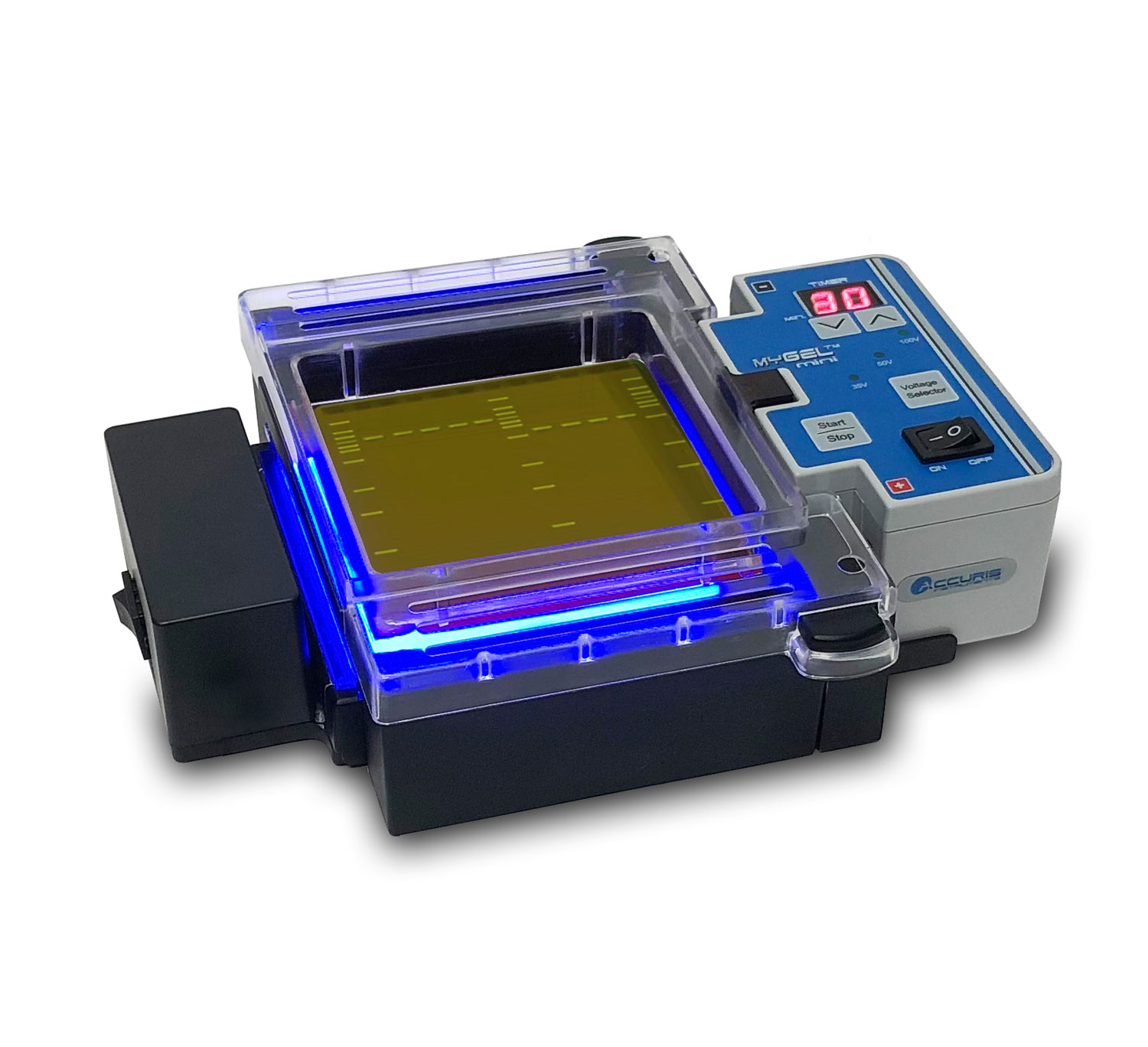
Mini Gel Electrophoresis and Power Supply
11

Mini Gel Electrophoresis and Power Supply Regular Dual

Mini gel electrophoresis is a technique used to separate DNA, RNA, or protein molecules based on size and charge.

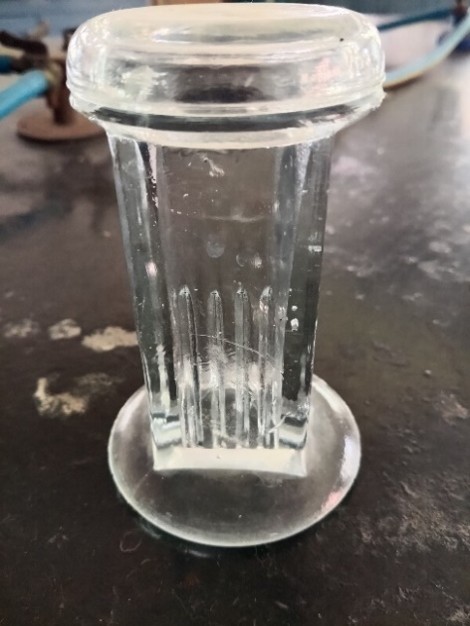
TLC Chamber
12

TLC Chamber

It provides a saturated atmosphere with solvent vapor.

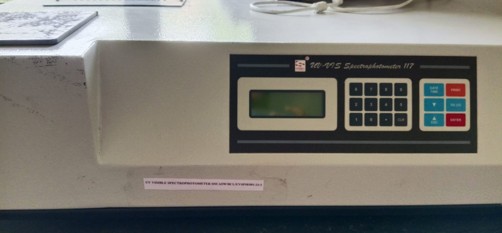
UV-Spectrophotometer
13

UV-Spectrophotometer

UV spectrophotometer is a valuable analytical instrument used to identify and quantify substances by measuring their absorption of ultraviolet and visible light.

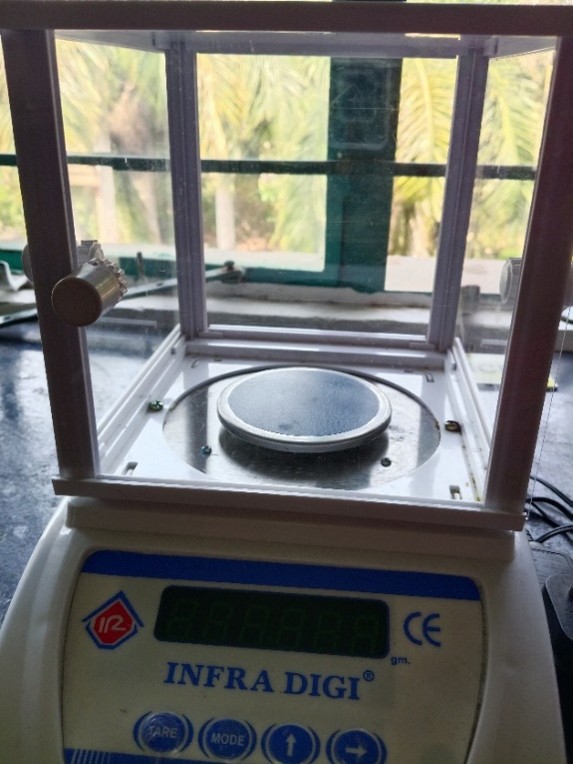
Weighing Balance
14

Weighing Balance

Central tools for accurately determining the mass or weight of objects.

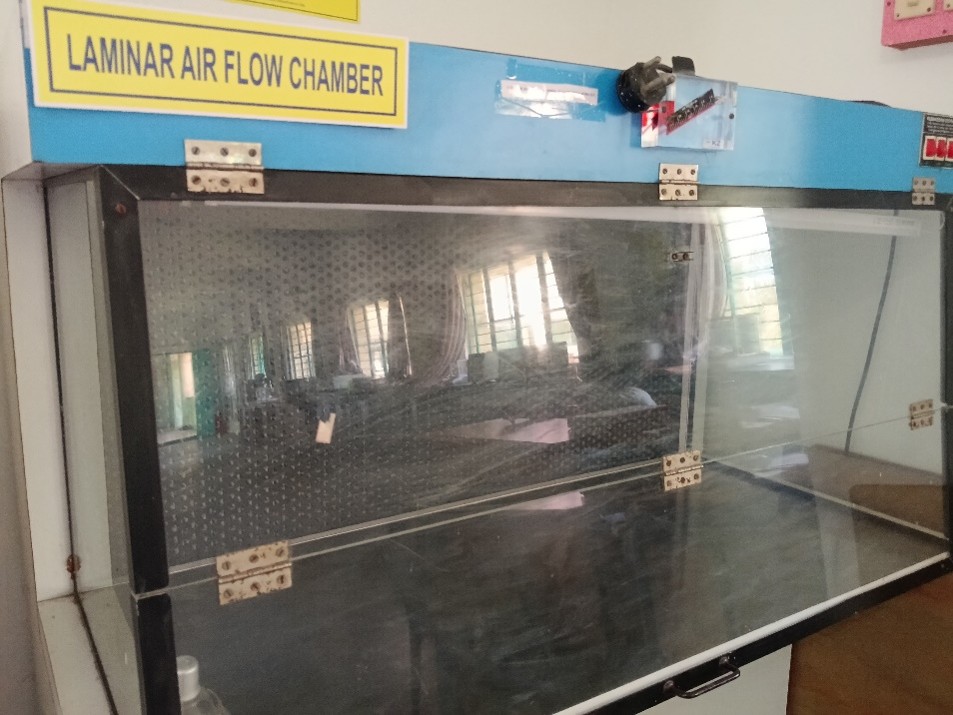
Laminar Air Flow Chamber
15

Laminar Air Flow Chamber

Used to protect sensitive materials like biological specimens, electronic components, and pharmaceutical products from contamination.

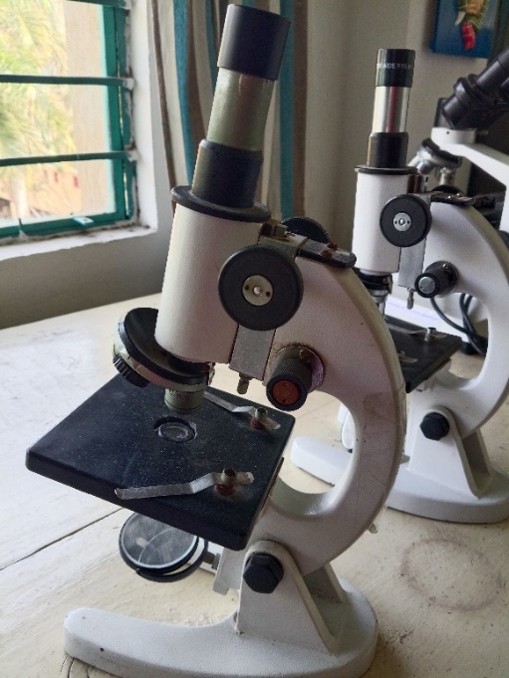
Research Microscope
16

Microscope (Research)

Microscopes are essential tools for viewing tiny objects not visible to the naked eye, with broad applications in science, medicine, and forensics.

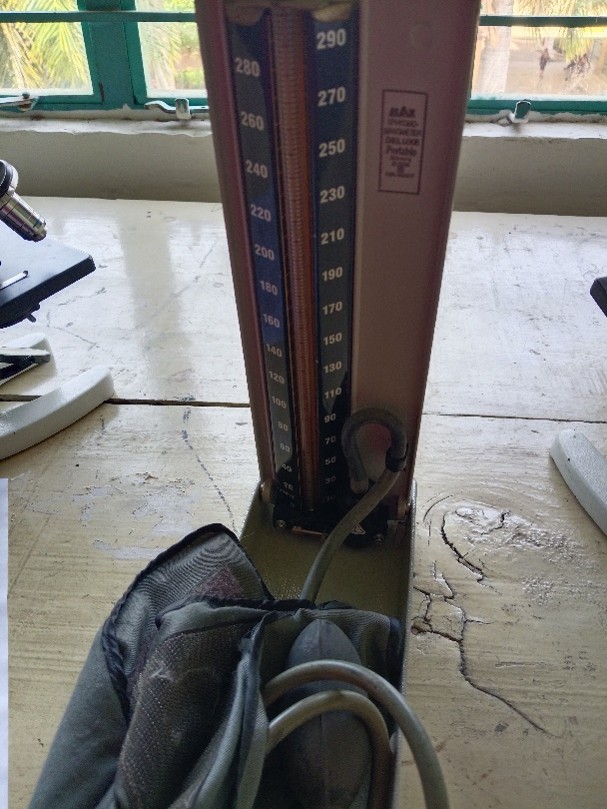
Digital BP Apparatus
17

Digital BP Apparatus

Used for diagnosing and monitoring hypertension (high blood pressure) and other cardiovascular conditions.

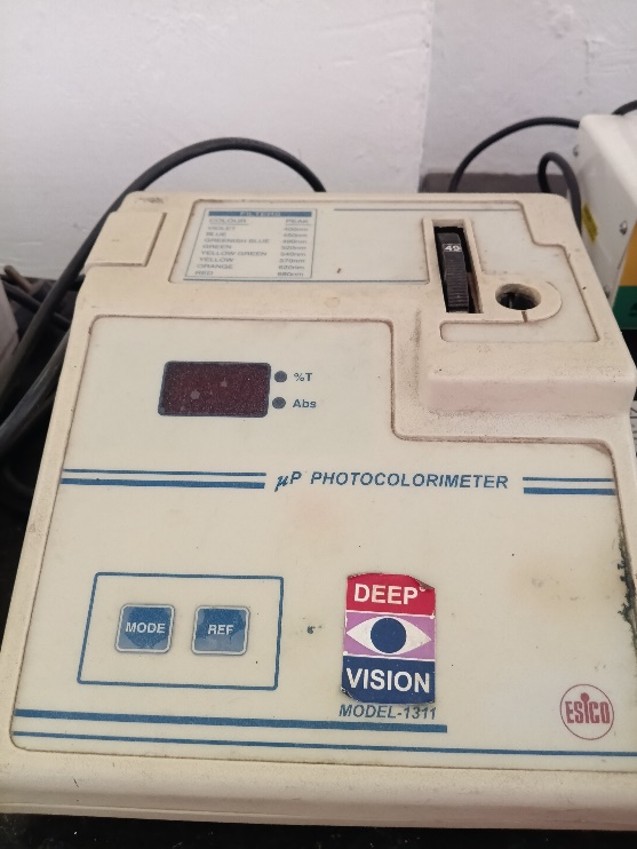
Colorimeter
18

Colorimeter

Used to measure the concentration of colored substances in solutions by quantifying how much light they absorb or transmit.

PCR
19

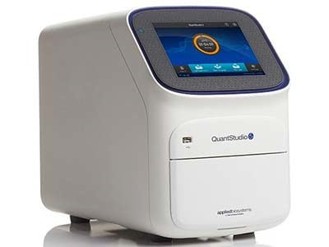
PCR

PCR includes its ability to rapidly generate large quantities of DNA, its sensitivity in detecting minute amounts of DNA, and its versatility in different applications.

ELISA Reader and Washer
20

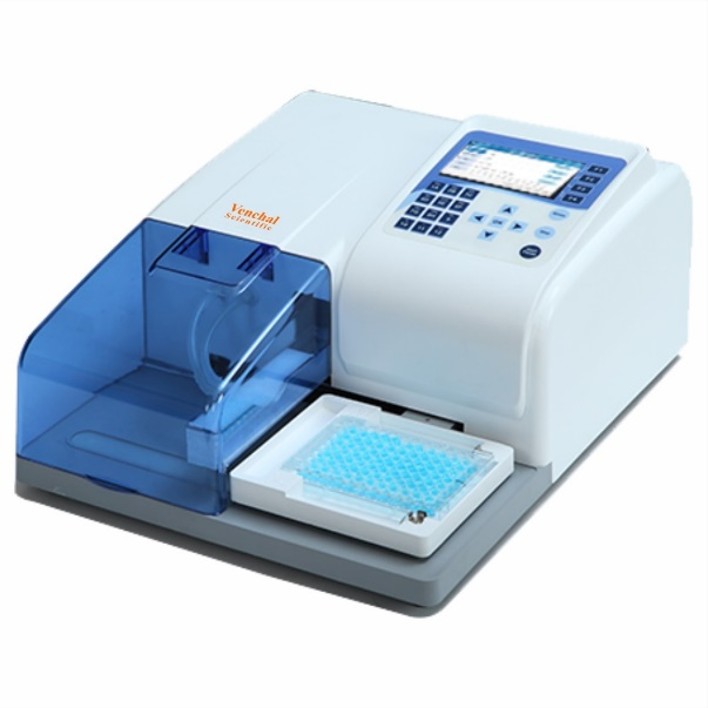
ELISA Reader and Washer

The reader measures the absorbance of samples in a microplate, while the washer removes unbound substances, ensuring accurate results.

Cooling Centrifuge
21

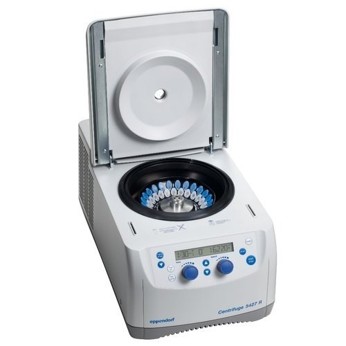
Cooling Centrifuge

The cooling system is crucial for preserving the integrity of samples that are prone to degradation at higher temperatures.

Transilluminator
22

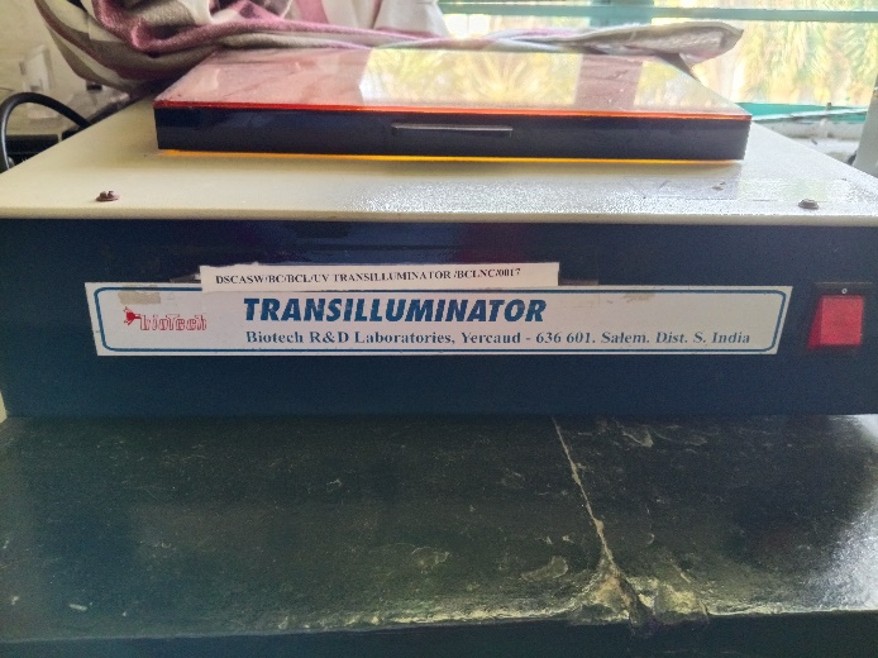
Transilluminator

Transilluminators are crucial tools in molecular biology, particularly for visualizing DNA, RNA, and protein samples after electrophoresis.

VDRL Shaker
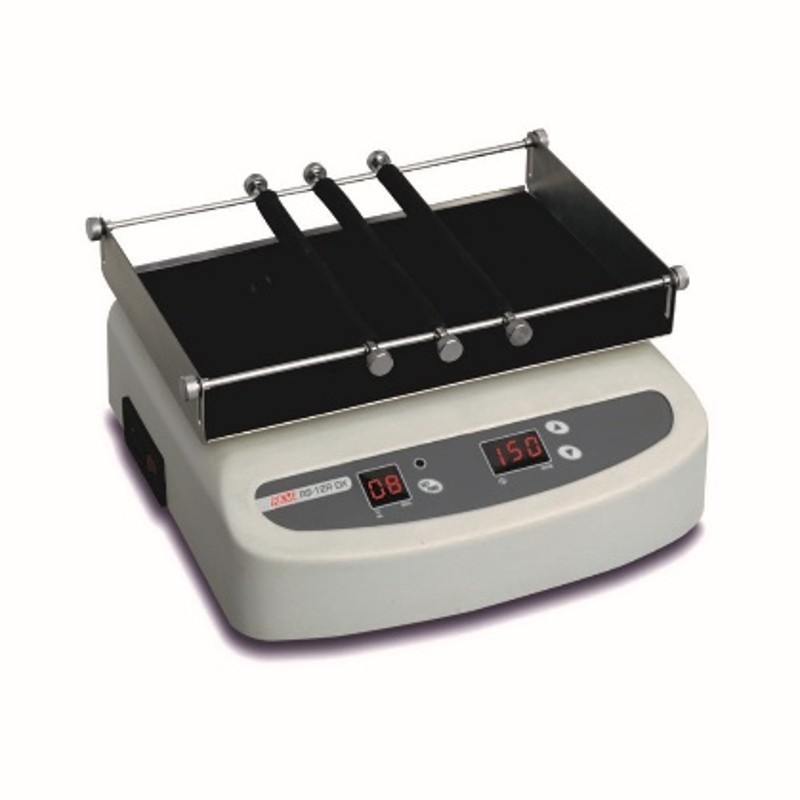
23

VDRL Shaker

VDRL (Venereal Disease Research Laboratory) test is primarily used to screen for and diagnose syphilis, a sexually transmitted infection.

Hematology Analyzer
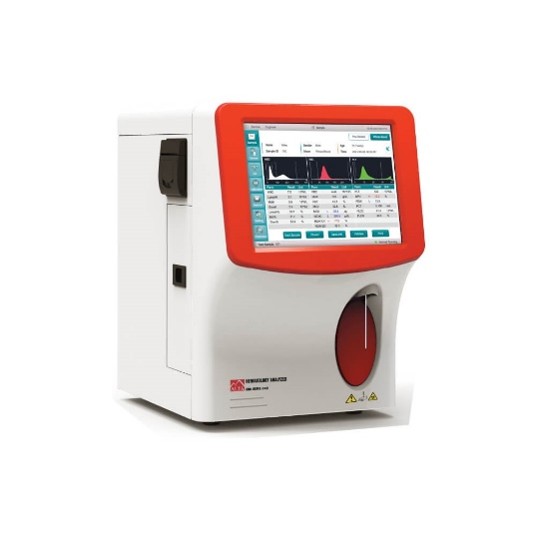
24

Hematology Analyzer

Hematology analyzers are crucial for diagnosing and monitoring various blood-related conditions by analyzing different components of blood samples, including red blood cells, white blood cells, and platelets.

Benchtop Centrifuge
25

Benchtop Centrifuge

Benchtop centrifuges are compact laboratory devices that use centrifugal force to separate substances based on density, size, and shape.

Cell Counter
26

Cell Counter

Used to accurately and efficiently count cells in a sample, providing crucial information for various applications in research, medicine, and biotechnology.

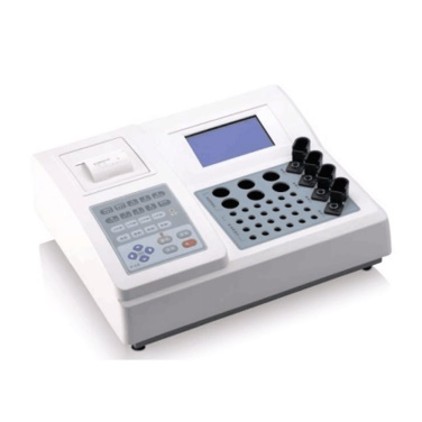
Automatic Blood Coagulometer
27

Automatic Blood Coagulometer

Used to measure the clotting ability of blood, which is crucial for diagnosing and managing bleeding and clotting disorders.

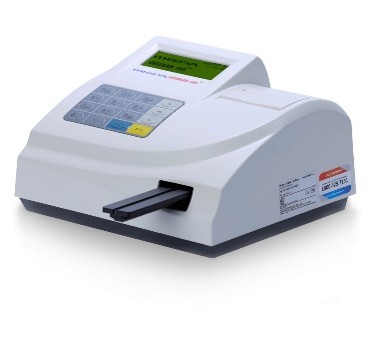
Urine Analyzer
28

Urine Analyzer

Help detect infections, kidney disorders, and metabolic issues by analyzing parameters like glucose, protein, ketones, blood cells, and pH levels.

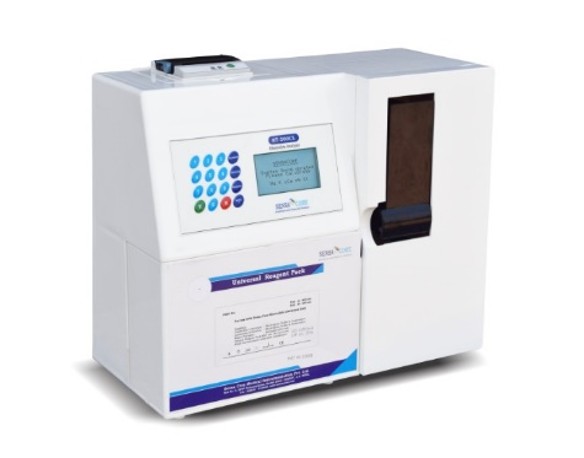
Electrolyte Analyzer
29

Electrolyte Analyzer

Electrolyte analyzers are crucial medical devices that measure the concentration of electrolytes like sodium, potassium, and chloride in bodily fluids such as blood, serum, and urine.

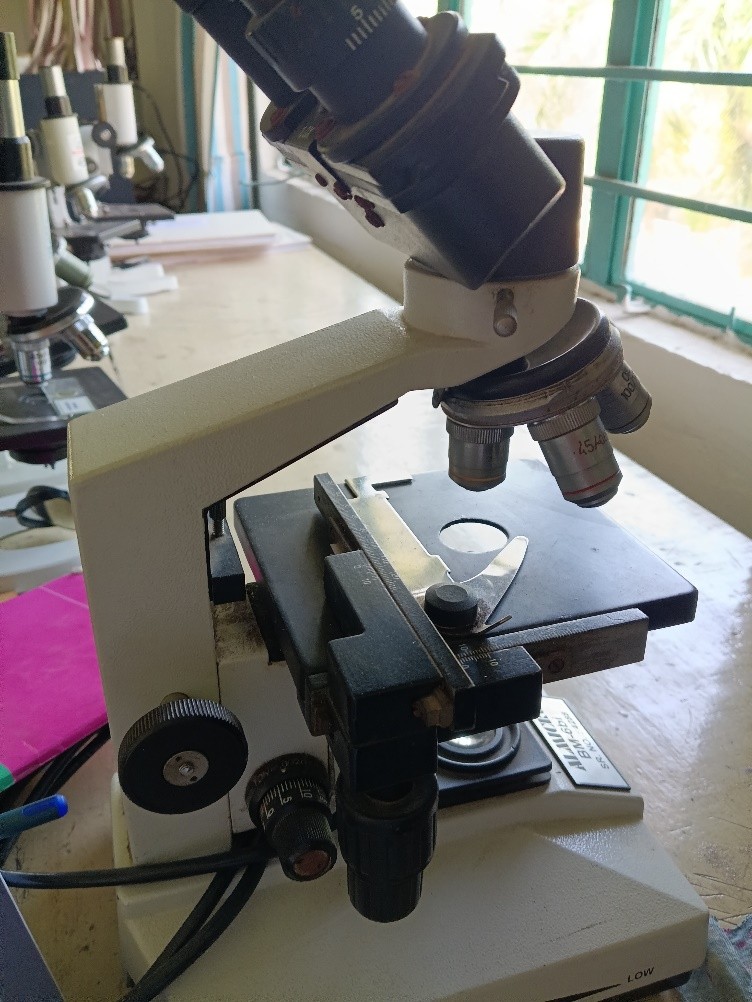
Binocular Microscope
30

Binocular Microscope

To provide enhanced depth perception and comfortable viewing of magnified images.

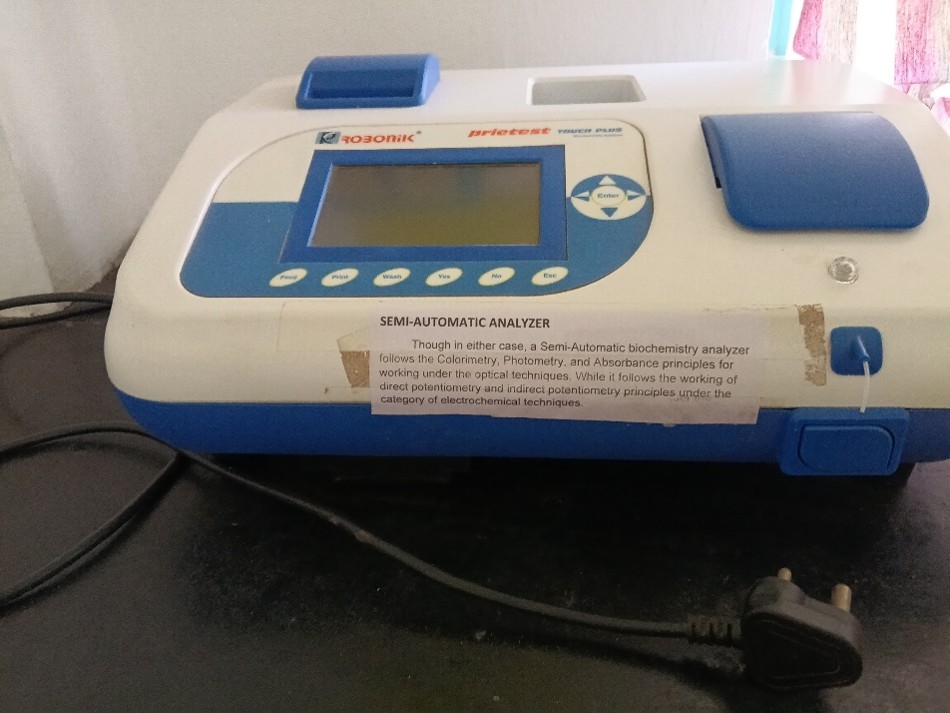
Clinical Chemistry Autoanalyzer
31

Clinical Chemistry Autoanalyzer

They are crucial for disease diagnosis, monitoring, and treatment effectiveness assessment by measuring substances such as glucose, enzymes, lipids, electrolytes, and hormones.

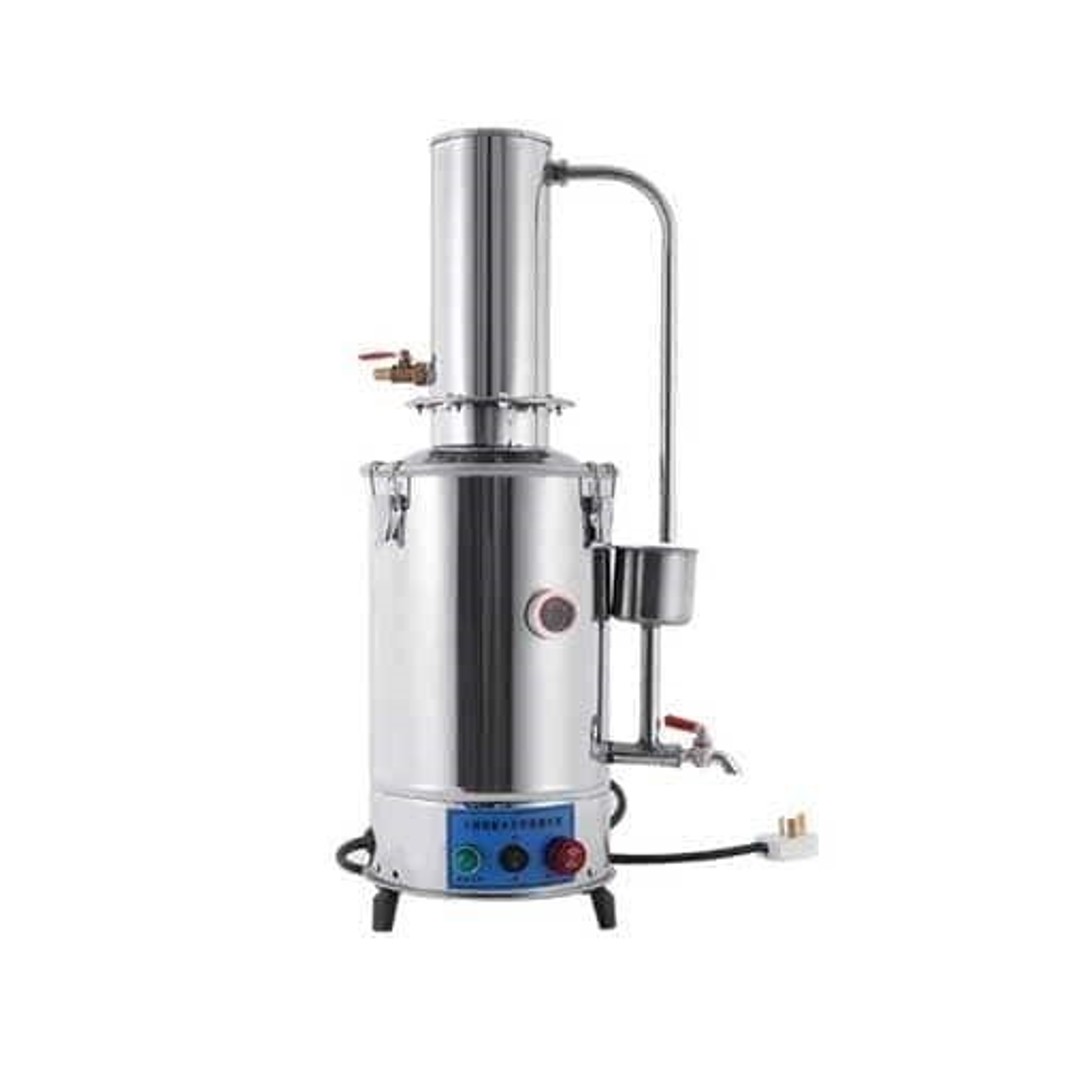
Distilled Water Plant
32

Distilled Water Plant

Distilled water plants produce high-purity water through distillation, a process that removes impurities, minerals, and contaminants.

Immunoassay Analyzer
33

Immunoassay Analyzer

Immunoassay analyzers are vital instruments in medical diagnostics, using antigen-antibody interactions to detect and quantify specific substances within a sample.

Faculty Corner

Everyday Wonders of Biochemistry

“Everyday Wonders of Biochemistry,” published by Ryan Publishers in December 2025, proudly features valuable contributions from Prof. Umadevi Pongiya, Dr. C. Surya, Dr. B. Nandhini, Dr. V. Manobharathi, Ms. S. Rabiya, Ms. R. Vethapriya, and Ms. S. Nivetha, showcasing their expertise and bringing the fascinating wonders of biochemistry to everyday life.

Recognition

Award

01

Dr. C. Surya

Received the Appreciation Award (2025) from Dhanalakshmi Srinivasan Engineering College (Autonomous), Perambalur for publishing a Q1 Cumulative high-impact research articles (Impact Factor: 16.7; Scopus-indexed; Science Citation Index Expanded).

02

Dr. B. Nandhini

Received the Appreciation Award (2025) from Dhanalakshmi Srinivasan Engineering College (Autonomous), Perambalur for publishing a Q1 high-impact research article in the International Journal of Biological Macromolecules (Impact Factor: 8.7; Scopus-indexed; Science Citation Index Expanded).

View DOI
Research

Research Excellence & Faculty Publication Highlights

2025

Vetrivel, C., Durai, M., Zhu, D., Durai, M., Shivakumara, K. N., Ghfar, A. A., Ajithkumar, M., Subash, B., & Chinnasamy, S. (2025). Modern screen-printed carbon electrodes modified with multilayered double transition metals carbides (MXenes) for ascorbic acid detection in urine and sweat samples. Journal of Molecular Structure, 1342.

DOI: 10.1016/j.molstruc.2025.142738
2025

Kandhasamy, K., Chinnaiyan, S. K., Balakrishnan, K., Baskaran, N., & Ali, S. (2025). Multifunctional fucoidan and folic acid-functionalised yttrium oxide nanoparticles: A novel approach for anti-cancer, antibacterial, larvicidal and environmental remediation. International Journal of Biological Macromolecules, 144761.

DOI: 10.1016/j.ijbiomac.2025.144761
2025

Mariyappillai, V., Shiyamala, C., Abisheik, T., Pandiyan, V., Chinnasamy, S., Shanmugaraj, K., et al. (2025). Tin-tuned ZnO nanoparticles for dual-mode environmental remediation: UV and solar driven RR 120 dye breakdown and microbial control. Journal of the Taiwan Institute of Chemical Engineers, 180, 106488.

DOI: 10.1016/j.jtice.2025.106488
2025

Sasikruba, S., Siranjeevi, R., Muthuvel, I., Thirunarayanan, G., Chinnasamy, S., & Rajachandrasekar, T. (2025). Evaluation of LaVO₄/ZnO nanohetero-junction for the photocatalytic degradation of carcinogenic acid dye. Inorganic Chemistry Communications, 174, 1.

View Publication
2025

Sargunavathi, S., Balamurugan, S., Tiffany, M., Abisheik, T., Pandiyan, V., Shanmugaraj, K., Chinnasamy, S., Alanazi, A. K., Ahn, Y.-H., & Balu, K. (2025). Molybdenum-doped ZnO nanomaterials: A dual-function powerhouse for enhanced photocatalysis and antibacterial performance. Optical Materials, 168, 117463.

DOI: 10.1016/j.optmat.2025.117463
2025

Kandhasamy, K., Chinnaiyan, S. K., Balakrishnan, K., Baskaran, N., & Ali, S. (2025). Multifunctional fucoidan and folic acid-functionalized yttrium oxide nanoparticles: A novel approach for anti-cancer, antibacterial, larvicidal and environmental remediation. International Journal of Biological Macromolecules, 318, 144761. (Q1) IF-8.7 Scopus iNdexed, Science Citation Index Expanded.

DOI: 10.1016/j.ijbiomac.2025.144761
2026

Abisheik, T., Pandiyan, V., Avula, B., Chinnasamy, S., Shanmugaraj, K., Sandoval-Hevia, G., Periyasami, G., & Balu, K. (2026). BiOI-decorated g-C₃N₄ heterostructure photocatalyst for versatile environmental remediation in a column-type batch photoreactor under tunable conditions. Journal of Water Process Engineering, 81, 109434.

DOI: 10.1016/j.jwpe.2025.109434
2026

Arunkumar, T., Balu, K., Chinnasamy, S., Thirumurugan, A., Alanazi, A. K., Jeffery, A. A., & Shanthi, M. (2026). Development of La₂S₃–TiO₂ hybrid nanostructures: A dual-functional material for photocatalysis and antimicrobial activity. Materials Chemistry and Physics, 349, 131791.

DOI: 10.1016/j.matchemphys.2025.131791
2026

Mehnath, S., Nandhini, B., & Karthikeyan, K. (2026). Green synthesized CeO₂ NPs for photocatalytic degradation of Congo red dye and efficient induction of mung bean (Vigna radiata) seed germination. Biocatalysis and Agricultural Biotechnology, 73, 103964.

DOI: 10.1016/j.bcab.2026.103964
2026

Thendral, A., Rajendran, A., Tiffany, M., Abisheik, T., Pandiyan, V., Periyasami, G., Raja, A., Thirumurugan, A., Chinnasamy, S., Ayyaru, S., & Balu, K. (2026). Harnessing Cd-doped ZnO nanoparticles for solar and UV-C induced azo dyes degradation and broad-spectrum antibacterial activity. Journal of the Taiwan Institute of Chemical Engineers, 187, 106740.

DOI: 10.1016/j.jtice.2026.106740
2026

Lakshman Kumar, N., Pandiyan, V., Abisheik, T., Chinnasamy, S., Raja, A., Mukherjee, A., Alanazi, A. K., Ayyaru, S., Ahn, Y.-H., & Balu, K. (2026). Europium-modified urea-assisted TiO₂ nanoparticles as multifunctional materials for natural sunlight-driven photocatalysis, antimicrobial defense, and anticancer activity. ChemCatChem, 18(7), e70707.

DOI: 10.1002/cctc.70707
2026

Thendral, A., Rajendran, A., Lakshman Kumar, N., Surendhar, G., Pandiyan, V., Alanazi, A. K., Raja, A., Thirumurugan, A., Chinnasamy, S., Jeffery, A. A., & Balu, K. (2026). Pollutant-specific photocatalytic response of rare-earth lanthanum-doped ZnO: A comparative study on La–ZnO vs. different dyes and an antibiotic under UV-C irradiation. Ceramics International.

DOI: 10.1016/j.ceramint.2026.03.339
Innovation

Patent

Product Patent

Gene Sequence of Penicillium oxalicum Exhibiting Antagonistic Activity against Rice Blast Disease for Use as a Biochemical Pesticide in Paddy Cultivation

Type Product Patent
Application No. 202641033049
Patent Status Patent Application

Inventors

Dr. A. Gangaiyammal; Dr. P. Umadevi; K. Ananthi; Dr. C. Surya; Dr. B. Nandhini; Dr. K. A. Jeyanthi; Dr. T. Aishwarya; Mrs. D. Ruffina; Dr. R. Ishwarya; and T. Shiva Dharshini.

Innovation Highlights

The invention focuses on the identification and application of a gene sequence from Penicillium oxalicum exhibiting antagonistic activity against rice blast disease. The proposed innovation has potential applications as a biochemical pesticide for sustainable paddy cultivation, offering a biological approach to crop disease management and contributing to environmentally responsible agricultural practices.

Patent Search
Professional Development

Faculty Development Programme Attedented

01

One Week Online Faculty Development Programme on Contemporary Developments in Biotechnology organized by Department of Biotechnology Easwari Engineering College, Ramapuram Chennai August 24-29, 2026.

02

One Week National Level Online Faculty Development Programme – Industry-Connected Higher Education: Building Future-Ready Curriculum, Innovation & Academic Ecosystems, organized by Scinicorn Academia Connect, August 10–15, 2026.

03

National Level FDP: Industry-Connected Higher Education – Future-Ready Curriculum, Innovation & Academic Ecosystems, Scinicorn Academia Connect, August 2026.

04

Dr. B. Nandhini participated in a 6-Day International Online Faculty Development Programme on “Smart Materials and Emerging Technologies for a Sustainable Future,” organized by Prathyusha Engineering College, 17–22 August 2026.

05

Dr. B. Nandhini participated in the 60th NEP Orientation & Sensitization Programme conducted by UGC-Malaviya Mission Teacher Training Centre (MMTTC), Bharathidasan University, Tiruchirappalli from 2–10 July 2026 (Programme ID: MMC-085-2026-JUL-A-07927).

06

Dr. B. Nandhini participated in the Faculty Development Programme on "AI for All: Integrating Artificial Intelligence in Education, Research and Industry" organized by Loyola Institute of Advanced Multidisciplinary Studies from 11–21 June 2026.

07

Dr. B. Nandhini participated in the Six-Day Basic Training Programme on Integration of Indian Knowledge System (IKS) organized by UGC-Malaviya Mission Teacher Training Centre (MMTTC), Bharathidasan University, Tiruchirappalli from 9–14 February 2026.

08

Dr. B. Nandhini participated in an online webinar on “Indian Knowledge System” organized by Siddhanta Knowledge Foundation on 25 February 2026.

09

Dr. B. Nandhini participated in the Six-Day Basic Training Programme on Integration of Indian Knowledge System held from 9–14 February 2026 at UGC-MMTTC, Bharathidasan University, Tiruchirappalli.

10

Dr. C. Surya presented a research paper titled “Isolation, 16S rDNA Sequencing and Phylogenetic Tree Analysis of Bacterial Isolate from Earthworm” at the International Conference on Exploring New Frontiers in Life Science Research and Career Innovation held on 2 February 2026 at Shrimati Indira Gandhi College, Tiruchirappalli.

11

Dr. B. Nandhini presented a research paper titled “Anticancer Activity of Polyherbal Formulation against Human Blood Cancer Cells” at the International Conference on Exploring New Frontiers in Life Science Research and Career Innovation held on 2 February 2026 at Shrimati Indira Gandhi College, Tiruchirappalli.

12

Ms. S. Rabiya presented a research paper titled “Biosynthesis and Characterisation of Silver Nanoparticles from Uvarianarum and Their Anticancer Activity against Breast Cancer Cells” at the International Conference on Exploring New Frontiers in Life Science Research and Career Innovation held on 2 February 2026 at Shrimati Indira Gandhi College, Tiruchirappalli.

13

Ms. R. Vedha Priya presented a research paper titled “Biosynthesis and Characterisation of Gold Nanoparticles from Asalia elato and Their Biological Activity” at the International Conference on Exploring New Frontiers in Life Science Research and Career Innovation held on 2 February 2026 at Shrimati Indira Gandhi College, Tiruchirappalli.

14

Ms. S. Nivetha presented a research paper titled “Isolation of Industrial Enzyme-Producing Microbes from Environmental Samples” at the International Conference on Exploring New Frontiers in Life Science Research and Career Innovation held on 2 February 2026 at Shrimati Indira Gandhi College, Tiruchirappalli.

15

Mrs. S. Sheeba presented a research paper titled “Mechanism of Anticancer Drugs and Their Role in Apoptosis” at the International Conference on Exploring New Frontiers in Life Science Research and Career Innovation held on 2 February 2026 at Shrimati Indira Gandhi College, Tiruchirappalli.

16

Dr. C. Surya participated in the NEP 2020 Orientation and Sensitization Programme conducted from 2–10 December 2025 at UGC-MMTTC, Bharathidasan University, Tiruchirappalli.

17

Ms. R. Vedha Priya participated in the NEP 2020 Orientation and Sensitization Programme conducted from 2–10 December 2025 at UGC-MMTTC, Bharathidasan University, Tiruchirappalli.

18

Dr. B. Nandhini participated in the webinar on “Fundamentals of Skincare Cosmetic Formulation” organized by C.N.R. Rao Research, ADU, Coimbatore, on 6 December 2025.

19

Dr. B. Nandhini participated in the webinar on “Indian Standards in Cosmetics and Skincare Product Development” organized by C.N.R. Rao Research, ADU, Coimbatore, on 22 December 2025.

20

Dr. B. Nandhini participated in the webinar on “Current Scenario in Cosmetic Industry, Skills and Knowledge, Cosmetic Regulation and BIS Mandate” organized by C.N.R. Rao Research, ADU, Coimbatore, on 16 December 2025.

21

Dr. C. Surya presented a research paper at the One-Day National Seminar on Advances in Biological Sciences and Phytotherapeutics Research (ABSPR) held on 24 September 2025 at St. Joseph’s College, Tiruchirappalli.

22

Dr. B. Nandhini presented a research paper at the One-Day National Seminar on Advances in Biological Sciences and Phytotherapeutics Research (ABSPR) held at St. Joseph’s College, Tiruchirappalli, in September 2025.

23

Ms. S. Rabiya presented a research paper at the One-Day National Seminar on Advances in Biological Sciences and Phytotherapeutics Research (ABSPR) held at St. Joseph’s College, Tiruchirappalli, in September 2025.

24

Ms. R. Vedha Priya presented a research paper at the One-Day National Seminar on Advances in Biological Sciences and Phytotherapeutics Research (ABSPR) held at St. Joseph’s College, Tiruchirappalli, in September 2025.

25

Ms. M. Sureka presented a research paper at the One-Day National Seminar on Advances in Biological Sciences and Phytotherapeutics Research (ABSPR) held at St. Joseph’s College, Tiruchirappalli, in September 2025.

26

Dr. B. Nandhini participated in the Five-Day National-Level Virtual FDP on “Instrumental Techniques in Food Analysis: Emerging Trends, Challenges and Future Directions” organized by PSGR Krishnammal College for Women, Coimbatore, in February 2025.

27

Dr. B. Nandhini served as a Mentor for the NPTEL-SWAYAM online certificate course on “Medical Image Analysis” conducted from July to December 2025.
Student's Corner

Event Corner

07 AUG 2026
Event 02

Med Code Connect: Building Careers in Medical Coding

Department of Biochemistry

Aim

To provide Life Science students with an understanding of medical coding, including basic coding concepts, healthcare documentation, and career opportunities, while developing the skills required to pursue careers in the medical coding and healthcare industry.
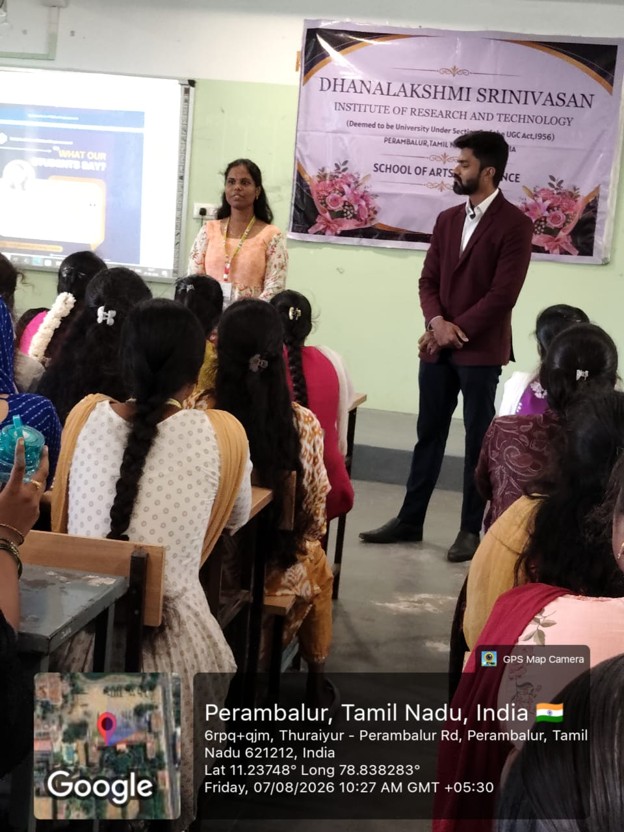
Resource Person Mr. Joshua Daniel N., COE & Founder of Rabbi Institute of Skillset Empowerment
28 JUL 2026
Event 01

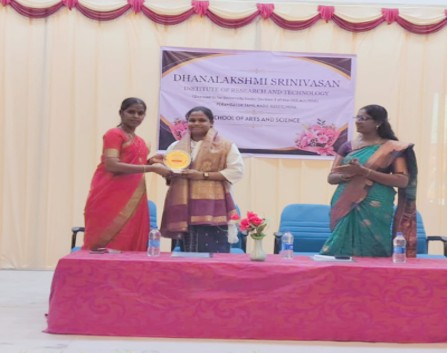
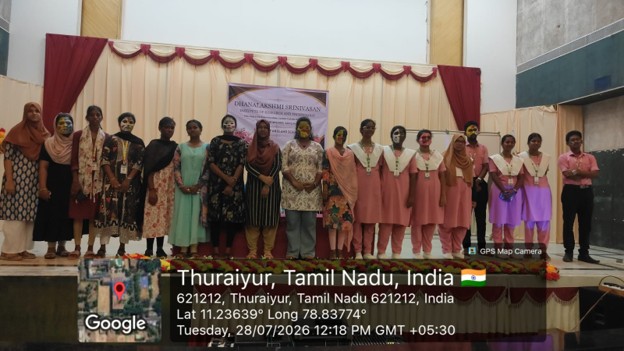
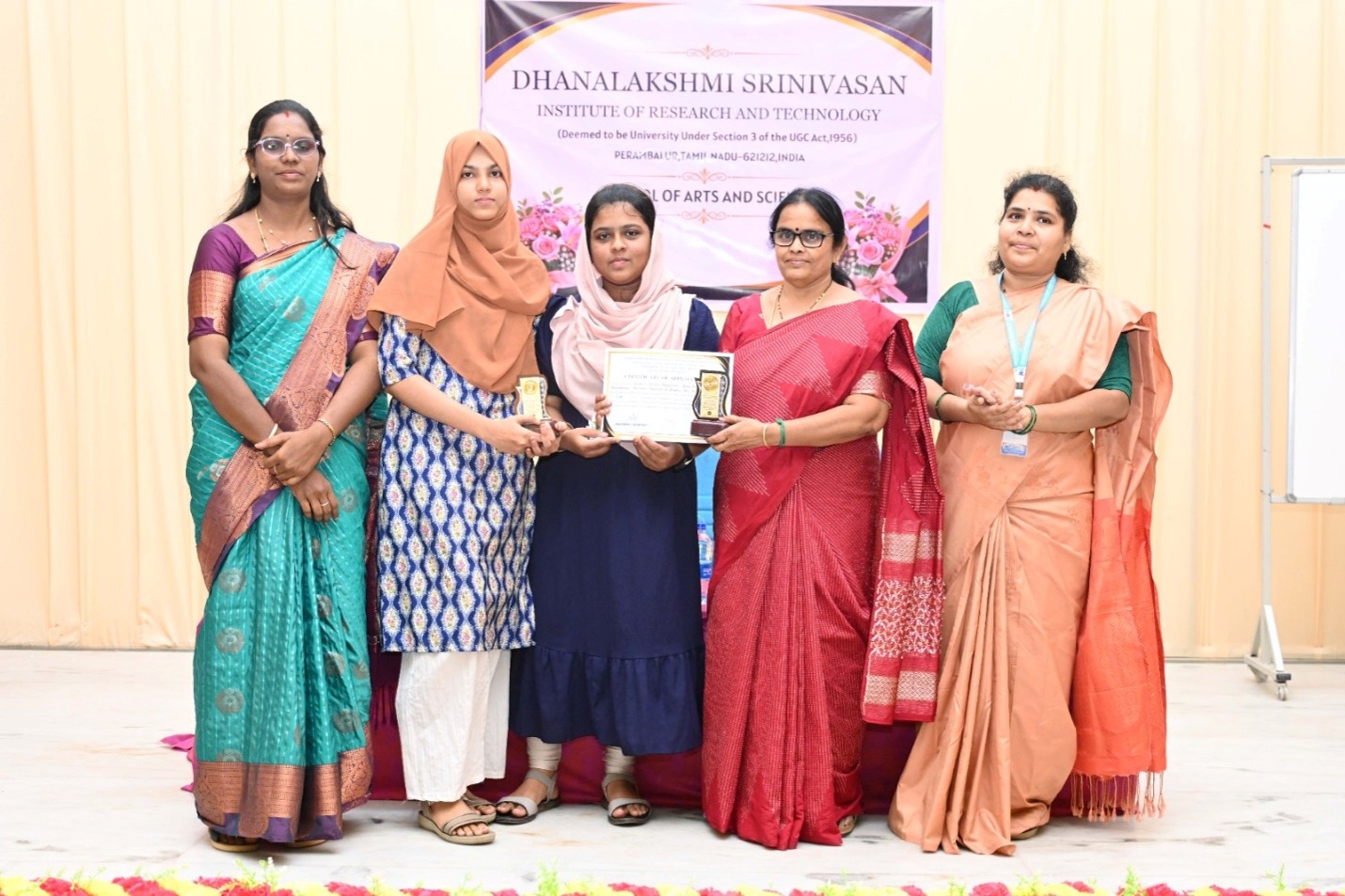
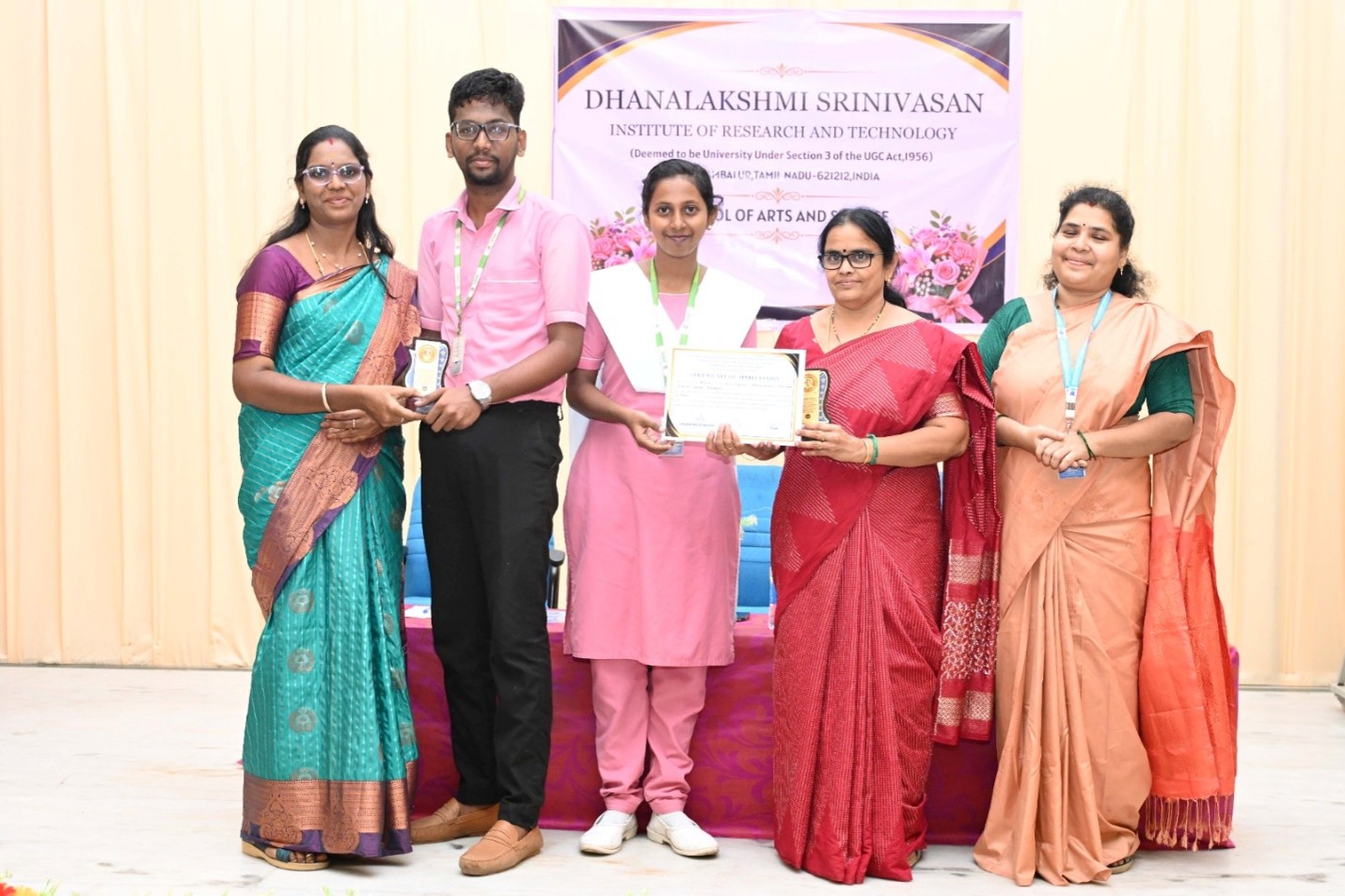
Hepatitis: Let's break it down

Department of Biochemistry

Aim

To create awareness among students and the public about hepatitis, its causes, modes of transmission, prevention, early detection, and treatment, while encouraging healthy practices and reducing the stigma associated with the disease.

Resource Person Dr. S. Sumithra, M.B.B.S., M.D. (General Medicine), Assistant Professor, Department of General Medicine, Dhanalakshmi Srinivasan Institute of Medical Sciences and Hospital, Perambalur.

Alumni Testimonial

Sukirojesni Augustine
Department of Biochemistry

Sukirojesni Augustine

M.Sc., Biochemistry

Batch 2018 – 2020
Current Employment Line Manager at Eurofins Water Hygiene Testing
Work Place UK
Feedback

Nisha M
Department of Biochemistry

Nisha M

M.Sc., Biochemistry

Batch 2021 – 2023
Current Employment Senior Lab Technician at MSN Hospital
Work Place Chennai
Feedback

Mirthikaa V
Department of Biochemistry

Mirthikaa V

B.Sc., Biochemistry

Batch 2023 – 2026
Current Employment Editorial Assistant at Lumina Datamatics
Work Place Chennai
Feedback